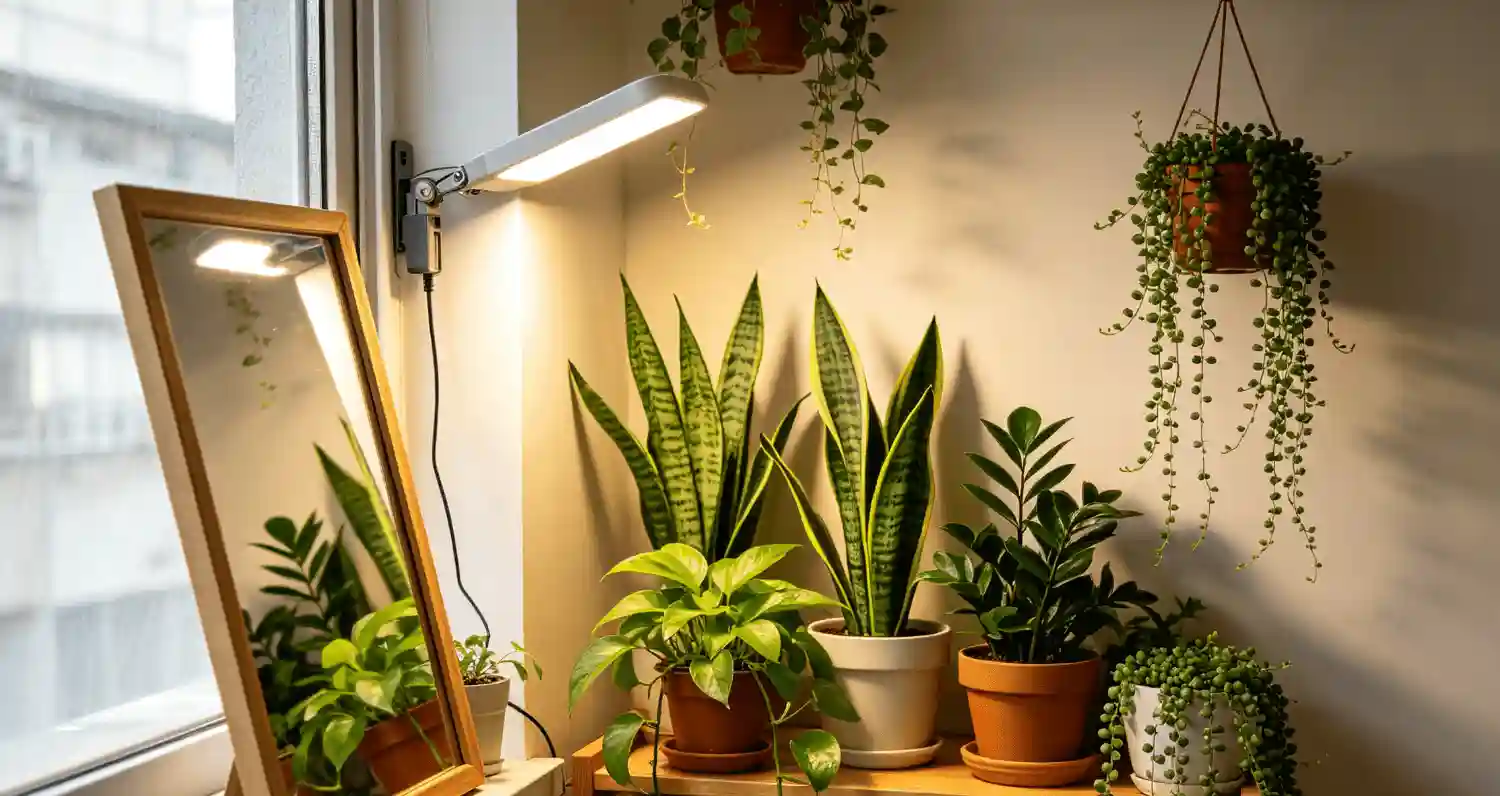
That draft from the front door always catches new plant owners off guard. You set a plant down in the entryway because the spot looks bright and suitable, and then out of nowhere, leaves begin dropping with no obvious explanation. The way I see it, this trouble happens every time someone opens the door, sending a sudden blast of cold or dry outdoor air rushing straight toward whatever foliage sits nearby. Simply creating three or four feet of open buffer space makes a remarkable difference. Hardy snake plants can tolerate occasional gusts with minimal impact. A sensitive calathea, on the other hand, will steadily struggle, even when the available daylight seems perfectly adequate at first glance.
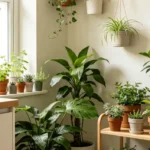
Radiators create miniature, unpredictable weather systems of their own inside apartments. Older buildings frequently install heating units directly beneath the largest, brightest windows. It is easy to assume this pairing would be ideal for houseplants, yet nothing could be further from the truth. Hot, arid air rises continuously from the radiator, and the combination of intense light and parched atmosphere stresses most varieties rapidly. My preferred solution is a simple elevated plant shelf that lifts pots roughly a foot away from direct hot airflow. This arrangement lets plants soak up all that valuable natural light while escaping scorching dry heat. Grouping several plants close to one another brings extra benefits too. As each plant releases gentle moisture through its leaves, they collectively form a mild, humid microclimate that softens harsh surrounding air.
A windowless bathroom is far from a lost cause for growing greenery. Steam from daily showers builds stable, consistent humidity, a condition many tropical plants naturally crave. Lush ferns immediately come to mind. They often fade and develop crispy fronds inside dry living rooms or bedrooms, yet quickly perk up when given access to steady moisture. Light becomes the main limiting factor, of course. An affordable clip-on LED grow light solves the problem cheaply and easily. Another low-cost trick involves rotation: bring a humidity-loving plant into the bathroom for several hours after a hot shower, then carry it back to its regular home. This method requires no permanent extra lighting equipment whatsoever.
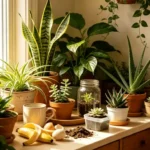
Kitchen windowsills hold untapped potential that most people overlook. These surfaces receive ample sunlight and gentle warmth generated from cooking, yet many people only place a single generic succulent there and consider the space filled. Herb plants turn this spot into something truly functional. Basil grows vigorously under kitchen window light. Mint spreads quickly and supplies leaves for drinks. Slender chives fit neatly into narrow gaps. You get fresh homegrown produce for cooking without sacrificing precious extra space within an already cramped floor plan. One important detail: shift pots several inches away from the stovetop. Grease buildup and bursts of direct cooking heat create unnecessary plant stress. A short low plant stand acts as a simple buffer, keeping foliage protected while still capturing sunlight from the window.
Bedrooms demand low-maintenance plants that thrive on neglect. Popular claims about houseplants dramatically purifying air are heavily overstated, especially in standard-sized rooms with only a handful of potted specimens. Practically speaking, focus on varieties that withstand dim light and require minimal regular care. Daily schedules grow chaotic in compact homes, and forgetting to check on plants for two weeks should not spiral into a crisis. ZZ plants adapt beautifully to subdued bedroom lighting without complaint. Snake plants offer that same quiet resilience. A pothos trailing over the edge of a nightstand or dresser adds soft green texture and occupies zero valuable floor space.
This whole process relies on a vital mental shift more than rearranging furniture and pots. From what I have learned, people tend to treat a four-hundred-square-foot apartment as one uniform, single box. In reality, it holds five or six separate microzones packed into the same walls. One permanent corner stays consistently warm. Another receives blistering harsh afternoon sunshine. The entryway temperature can swing by ten degrees in minutes whenever the front door opens. Learning to recognize these small environmental quirks turns plant placement into a simple matching exercise rather than endless guessing. Limited square footage never eliminates your gardening options. It only asks you to observe every small zone closely and understand exactly what light, humidity and airflow each location provides. That simple realization completely changed how I arrange my collection, and every single plant has stayed noticeably healthier ever since.