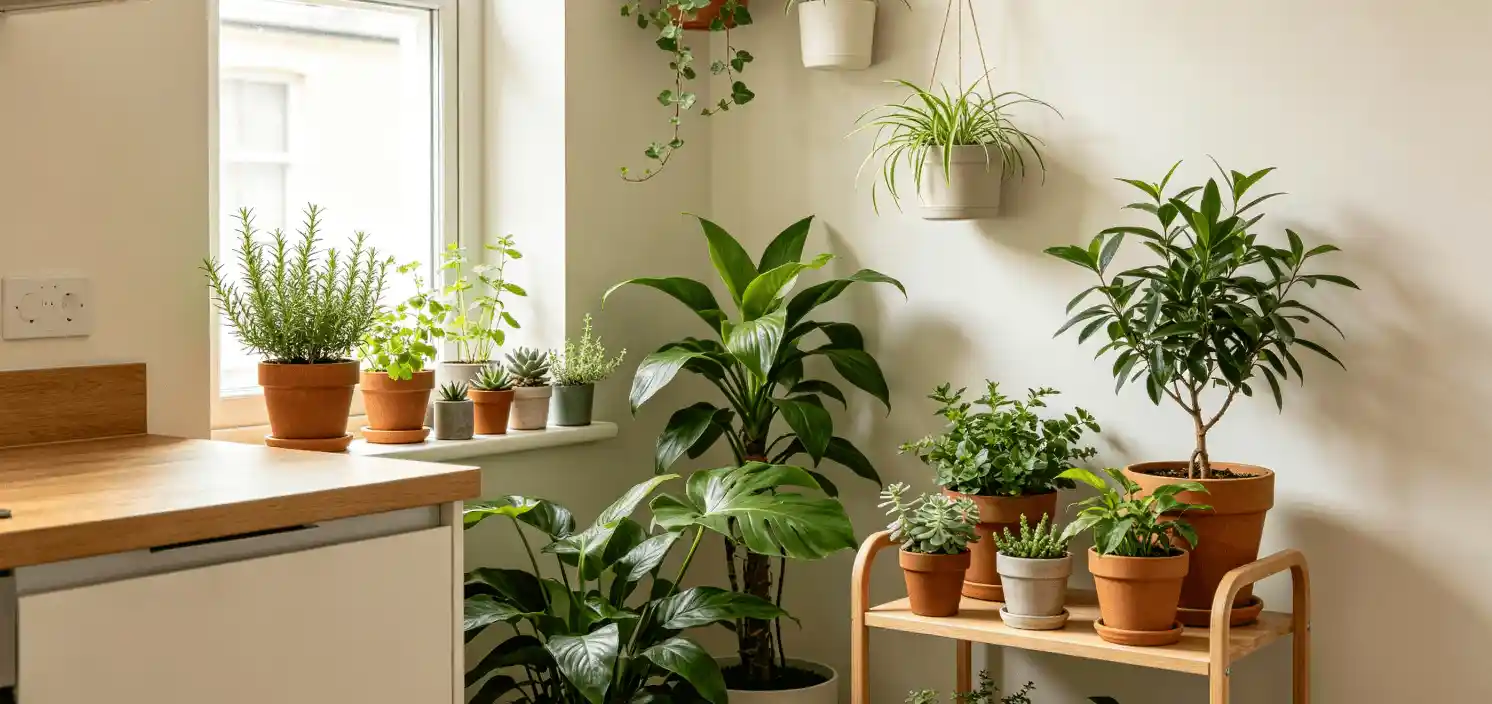
Pothos saved my tiny apartment. The way those winding vines draped gently over wooden shelves brought vibrant life to a space that felt empty, cold and pretty much dead before they arrived. Many people assume limited square footage means giving up on cultivating houseplants entirely, yet the complete opposite can be true, as long as you are willing to get creative with how you arrange and select your greenery. Gardening indoors does not demand vast floor space; it only demands thoughtful planning.
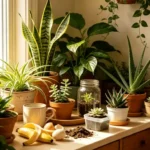
What stands out to me above everything else is picking the right varieties from the very beginning, rather than falling for attractive plants that simply cannot survive your living conditions. Snake plants, for instance, need barely any water and thrive effortlessly in dim, neglected corners, making them ideal for busy renters just like I was back then. ZZ plants turned out to be even tougher. They withstand prolonged neglect, inconsistent watering and fluctuating indoor temperatures, while maintaining sleek, polished foliage all year round. Compact succulents fit neatly on any windowsill and require minimal ongoing attention. Spider plants are another wonderful choice, producing countless tiny offshoots that root extremely easily, letting you propagate new plants to gift to friends and neighbours.
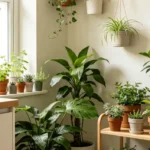
The biggest struggle for anyone living in a small home boils down to floor space, or the obvious lack of it. This is why I quickly learned to shift my focus upward. Walls and ceilings quickly become your most valuable resources. Hanging planters allow trailing plants to cascade beautifully downwards without occupying precious table surfaces or blocking narrow walkways. Sleek wall-mounted planters brought fresh greenery into my kitchen, and they did not take a single inch of usable floor space, which always felt like a huge win. Tall, narrow plant stands support multiple specimens stacked vertically. Standard bookshelves also work wonderfully if you tuck smaller potted plants between your collection of books. This vertical gardening strategy works miracles for studio apartments and compact one-bedroom homes, proving you never need to feel limited by the size of your living area.
Renters face the constant reality of frequent moves, and permanent, invasive plant installations often create costly headaches when lease renewal time comes around. Once I discovered lightweight rolling plant pots, everything changed. I opted for removable adhesive hooks instead of hammering nails into walls, and used portable rolling utility carts that I could shift from room to room whenever the light shifted. No drilling, no permanent damage, no leftover holes to repair before moving out. My growing plant collection travelled with me across three different rental properties, and each time, these familiar green plants helped the new, unfamiliar space feel warm and welcoming far faster than any decoration ever could.
Natural light matters far more than most new plant parents realise at first. I made a rule to observe how sunlight travels across my windows at different hours throughout the day before purchasing any new plant. Bright, sun-drenched window spots are perfect for fresh herbs and sun-loving succulents. Areas with soft, indirect medium light suit pothos and spider plants perfectly, preventing scorched, brown leaf tips. Shaded low-light corners are reserved reliably for snake plants and ZZ plants. It is wise to keep foliage a small distance away from hot window glass during summer to avoid leaf burn. Simply observe your space first, then choose suitable plants. This straightforward step prevents endless disappointment and unnecessary plant loss further down the line.
Kitchen herb gardens offer rewards that stretch far beyond simple visual appeal. Fresh basil, mint and thyme growing within arm’s reach while cooking deliver bright, natural flavour you can never replicate with dried store-bought packets. Growing your own herbs cuts down on grocery expenses, and creates a meaningful connection to the food you prepare every day. A bright kitchen window creates the perfect growing environment. Small pots or thoroughly cleaned recycled glass jars can be repurposed as planters, as long as you carefully add drainage to avoid overwatering. The most satisfying moment arrives when you snip a handful of leaves for your evening meal and watch the plant regrow fuller and stronger within days, making all the small maintenance fully worthwhile.
Your existing furniture can pull double duty without adding extra clutter to tight rooms. A tall open shelving unit layered with plants acted as a soft room divider in my open-plan living area, without creating a closed-off, cramped atmosphere. Side tables hold smaller houseplants while remaining functional for drinks and everyday belongings. A small plant placed on my work desk noticeably improved my focus during busy workdays. Honestly, catching sight of that splash of green amid endless online meetings lifted my mood far more than I ever anticipated. If you are lucky enough to own a balcony, slim vertical shelving lets you arrange plants compactly while still leaving comfortable seating space.
You do not need to transform your apartment into an overcrowded indoor jungle to feel the benefits. One carefully curated plant corner can completely shift the atmosphere of a room. Just group a handful of complementary plants with harmonised pot designs, paired with soft ambient lighting for balance. This restrained arrangement creates a sense of calm without mess or overcrowding, and it complements the clean layout of most modern apartments wonderfully.
Water leakage is a top concern for every renter I have spoken to, and with good reason. Waterproof saucers placed underneath every pot catch excess water before it spills onto flooring. Lightweight containers are preferable to heavy ceramic pots that can scratch hardwood floors when rearranged. Most plant damage still comes from overwatering, so develop the habit of testing soil moisture with your finger every single time before reaching for a watering can. Decorative waterproof mats underneath pots offer extra floor protection without looking unattractive. These simple careful habits let you enjoy your plant collection freely while protecting your rental deposit when your lease ends.
Bathrooms often hold steady humidity that tropical houseplants thrive in, an overlooked bonus for plant lovers. Dull bookshelves feel refreshed with a small plant tucked between book spines. Bedroom corners become tranquil retreats with the right low-maintenance variety positioned away from cold draughts. Even entryways feel more inviting with a touch of greenery near the front door. Match each plant to the unique light and humidity conditions of its spot, and it will flourish far more consistently.
Plant care inside a compact home does not need complicated routines. Set a weekly reminder to check soil moisture levels. Wipe dust off broad leaves regularly so plants can absorb light efficiently. Rotate pots every few weeks for even, balanced growth. Approximately once each month, trim away dead foliage and add gentle organic fertiliser if growth appears slow. Small indoor plants respond quickly to consistent gentle attention to stay lush and healthy.
It all began with one humble pothos sitting alone on my desk years ago. Now, no matter how small my living space may be, I always make room for greenery. Indoor plant growing is never about filling every flat surface you own. The genuine joy comes from watching your plants thrive under your care, and witnessing how simple living foliage turns four plain walls into a comforting home you look forward to returning to each day.