Nothing kills a plant faster than too much water. You’d think that basic truth would be obvious to every gardener, yet I see the same costly mistakes pop up again and again, even with people who clearly care deeply about their greenery and spend time tending to them every day. The interesting part is how most plant troubles trace back to overlooked foundational care, instead of requiring expensive fancy gardening gear, chemical sprays or pricey store-bought plant remedies. After years growing fresh herbs on my windowsill, tending seasonal vegetables in the backyard garden, and nurturing a collection of tropical houseplants tucked into corners around the home, I have learned that proper watering habits and well-chosen soil make all the difference between thriving foliage and constant plant loss.
What most new growers fail to understand is that plant roots need oxygen just as badly as moisture to survive. The hidden danger arrives when soil remains continuously saturated for days on end. Standing water fills every tiny air pocket within the growing medium, blocking oxygen from reaching the root system, triggering root rot that spreads rapidly through delicate root tissue. Once rot takes hold, recovery becomes incredibly difficult. In daily practice, a simple finger test always beats sticking to a rigid watering schedule carved into your calendar. Push your fingers an inch or two down beneath the soil surface. If the medium feels dry at that depth, it is safe to water thoroughly. If it still holds dampness, hold off and wait another day or two. A plain wooden plant stick works equally well for those who prefer not to get their hands dirty. Push it deep into soil, pull it out, and observe whether damp soil clings to the surface. Plants send clear warning signs if you take the time to watch closely. Wilting paired with dry, crispy leaf edges almost always signals insufficient water. By contrast, yellow discolored leaves, soft mushy stems and soil that never fully dries out are clear red flags of overwatering. I lost a much-loved maidenhair fern to root rot caused by excess water one year. Nothing frustrates me more than watching delicate leaves turn brown and mushy, especially when I originally believed I was being careful and attentive to its needs.
The real common mistake gardeners repeatedly make is shallow, daily light sprinkling, rather than occasional deep soaking. Those tiny surface doses of moisture encourage lazy roots that cluster only near the top layer of soil, unable to stretch deeper to seek water and nutrients. Deep watering completely changes this growth pattern. Pour water slowly and steadily across the soil until clean water flows freely out of the drainage holes at the bottom of the pot, then pause and allow the soil to partially dry before your next watering session. This simple technique encourages roots to grow downward into cooler, more stable layers of soil where resources are consistent. For potted plants, deep watering ensures every section of the root zone receives hydration, instead of merely wetting the top surface, which often leaves hidden dry pockets deeper down no matter how frequently you add small amounts of water.
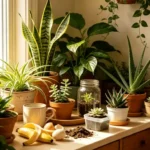
When it comes to timing, early morning watering usually delivers the best results. Sunlight and gentle airflow allow leaf surfaces to dry off quickly, and the plant can absorb and utilise all that moisture throughout the daylight hours. Evening watering carries risk; leftover moisture sits on leaves overnight, creating humid conditions that invite mould, mildew and harmful fungal infections without fail. That said, rules are not absolute. If a plant shows severe signs of dehydration, do not hesitate to water it immediately. Flexibility and consistency outweigh rigid watering timetables. Different plant species come with vastly different needs. Succulents originating from arid desert regions store water within their flesh and hate soggy roots, sometimes only requiring water every few weeks. Tropical varieties such as pothos and ferns favour consistent mild dampness. Vegetables and flowering plants ramp up growth in active seasons and demand more regular hydration during growth spurts. A desert succulent and rainforest tropical plant simply cannot thrive under identical watering routines.
Proper drainage connects directly to every part of plant care. Roots require simultaneous access to both water and air. Without space for surplus water to escape, saturation and rot quickly follow. Plant pots must have functional drainage holes. Never leave potted plants sitting in pooled water inside saucers for hours after watering. Soil structure also needs enough porosity to let air circulate freely. For clients who love decorative planters lacking drainage openings, I always use a standard plastic nursery pot tucked inside the ornamental outer container. Lift the inner pot out, water thoroughly, wait for all excess water to drain fully, then place it back into the decorative pot. It maintains an attractive display while protecting plant health long term.
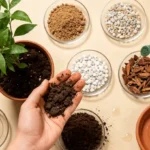
Soil should never be treated as an afterthought. Good growing medium is alive, filled with beneficial microbes and organic structure that continuously feed plant roots. All-purpose potting mix works wonderfully for most houseplants and outdoor flowers; it balances nutrient retention and moisture without compacting into heavy mud. Sandy soil blends drain rapidly, perfectly suited to drought-tolerant succulents. Raw clay soil compacts easily and holds water tightly, almost always requiring added organic matter to loosen its dense texture. Loam soil hits the ideal natural balance, yet you can always adjust its composition to match whatever you plan to grow. In my experience, picking the correct base soil is one of the simplest, highest-impact wins any gardener can achieve.
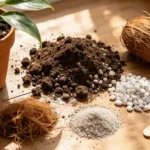
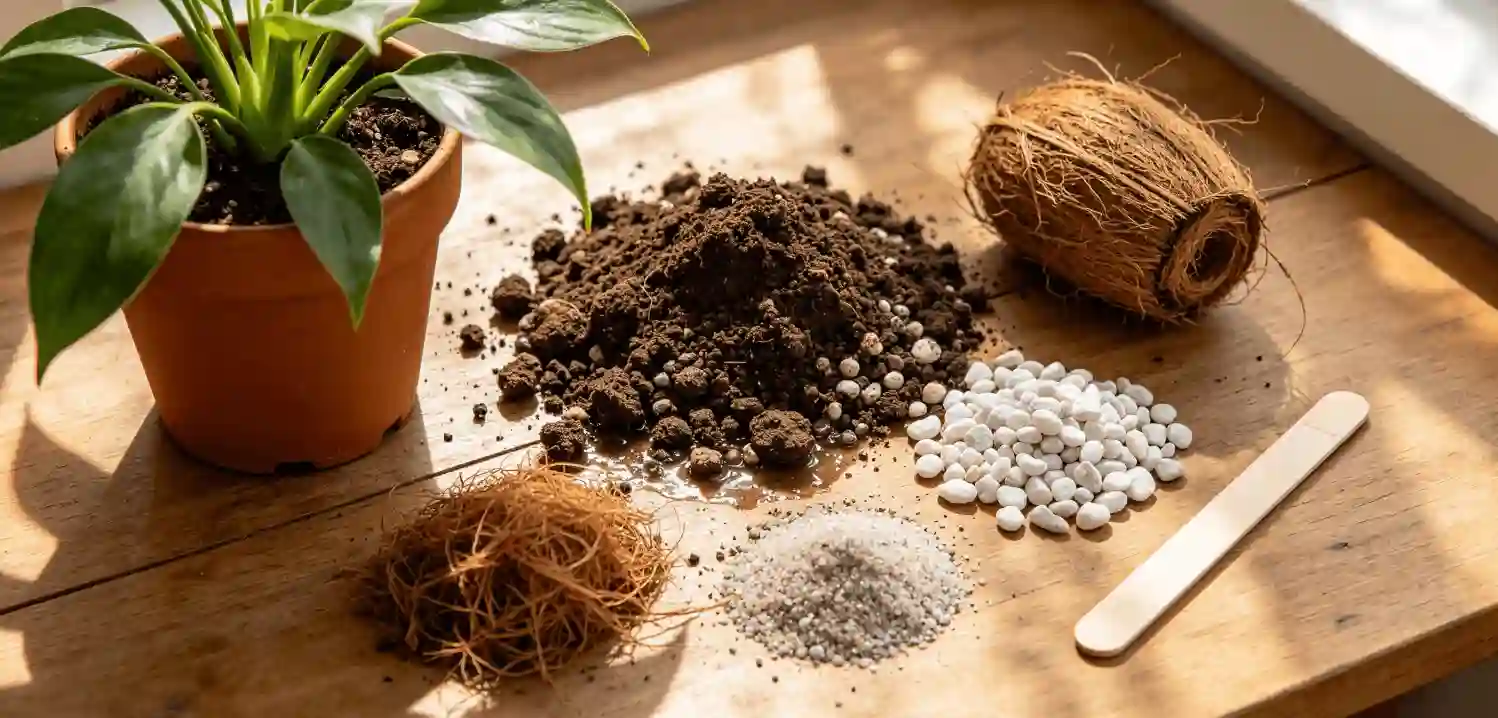
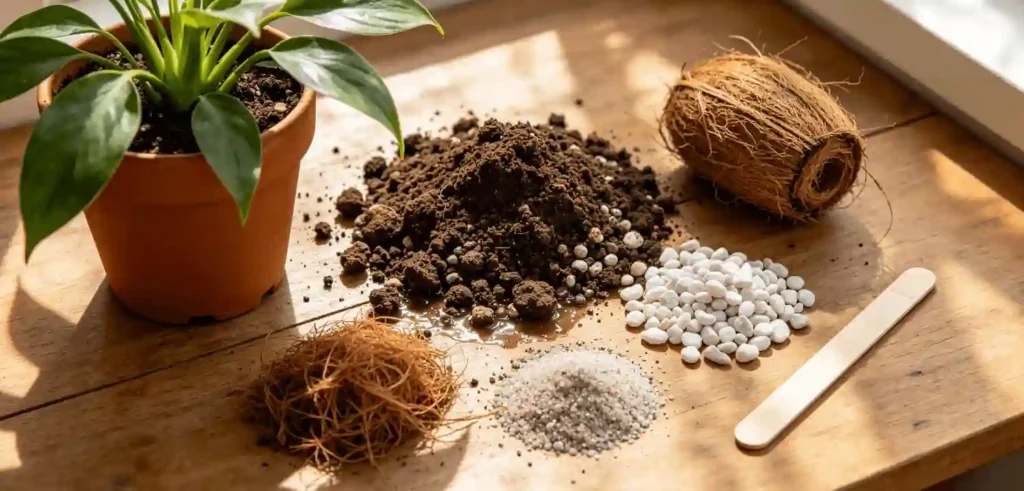
You can elevate generic store-bought potting mixes by mixing in targeted amendments suited to each plant type. Compost adds natural organic nutrients and prevents the soil from hardening, while still retaining appropriate moisture levels. Perlite aerates the medium and permanently stops heavy compaction. Coco coir holds gentle moisture without becoming waterlogged, and coarse sand further boosts drainage for drought-loving varieties. Balance is everything. Using a moisture-heavy blend for desert-adapted plants creates endless struggles with rot and poor growth.
Over many months, potting soil gradually wears out. Nutrient levels deplete, compaction builds, and roots circle tightly against the walls of containers. Visible warning signs include slowed plant growth, water pooling on top of the soil instead of sinking in, and the pot medium hardening into a solid block. This signals it is time for maintenance. Mix in fresh compost, gently loosen the topsoil, or replace part of the old medium during repotting. While repotting, carefully trim away any dark, smelly rotten roots. These small routine tasks keep plants vigorous and avoid fully restarting plant growth each new season.
Countless gardening failures stem from ignoring seasonal shifts or blindly following fixed watering calendars. Watering every single Monday ignores fluctuations in temperature, sunlight intensity, and slower winter plant metabolism. More water is never better, as roots constantly rely on that critical balance between water and oxygen. Dry heated indoor air creates extra stress for tropical houseplants, and many growers overlook humidity as a simple solution to leaf browning, especially in urban homes with constant winter heating.
Thankfully, successful plant care does not demand complicated spreadsheets or precise tracking systems. Build a simple weekly routine: check soil moisture, examine leaves for pests or discoloration, wipe away dust blocking sunlight, and rotate pots for even light exposure. Around once each month, inspect root health, add mild organic fertiliser if growth stalls, and tweak soil composition when needed. Small, steady adjustments always beat occasional drastic interventions.
This all demonstrates that robust, healthy plant growth begins underground, supported by the delicate balance of moisture, air, and nutrient-rich growing medium. Once you learn to read the unique signals sent out by your own plants, all the guesswork falls away. The rest boils down to consistent observation and gentle fine-tuning as you learn and grow alongside your collection.