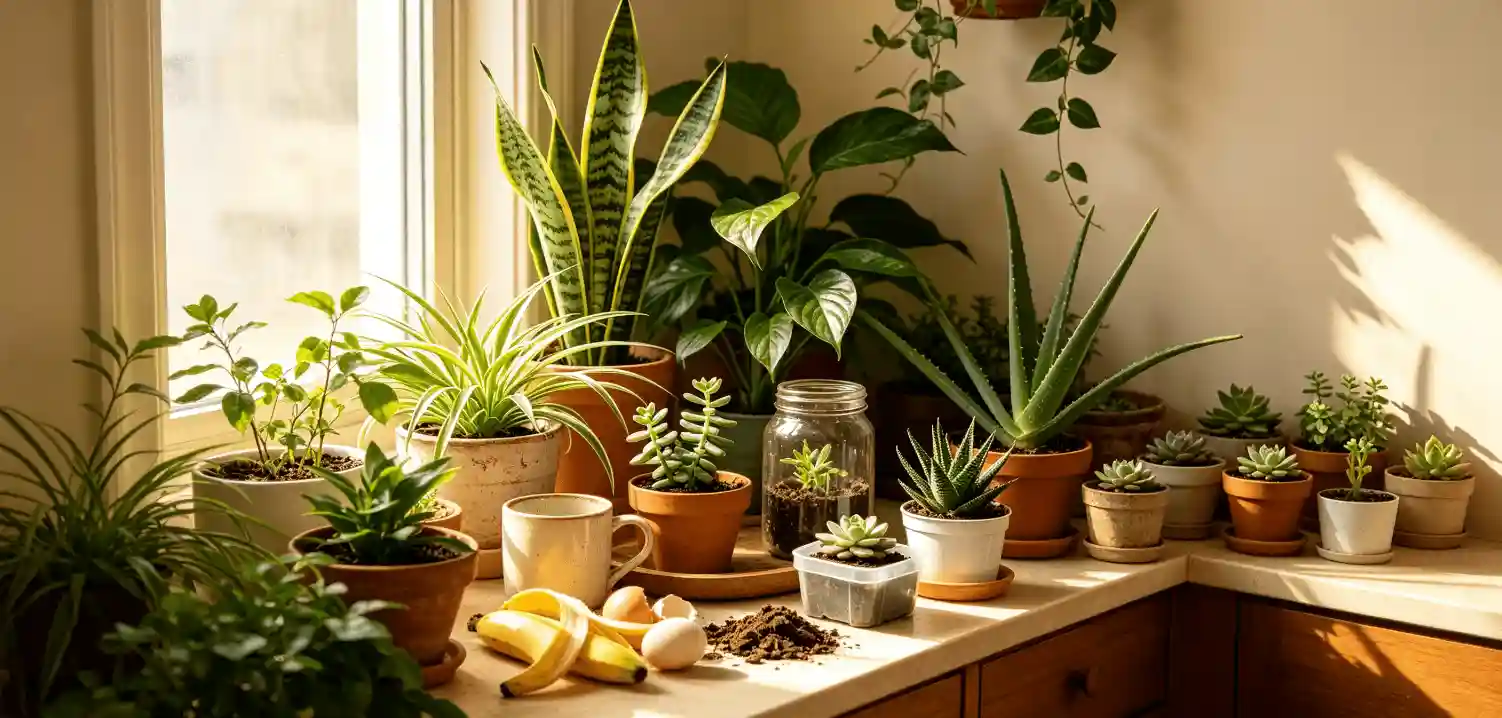
I killed my first few houseplants fast. Overwatering did most of them in. Back then, I rushed to buy pricey potting mixes, decorative planters and fancy plant tonics, convinced expensive supplies were the secret to thriving foliage. After watching plant after plant wilt away despite my purchases, I started paying closer attention and realized you do not need to drop much money at all to keep things green. What stands out from what I have seen after years of tinkering with indoor growing setups is how the kitchen itself holds a bunch of good answers for affordable plant care.
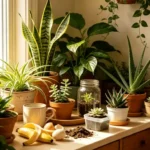
The interesting part comes from the food scraps you would normally toss straight into the bin. Banana peels, for instance, carry potassium that strengthens leaves, supports steady growth and helps plants resist minor stress. Dry them thoroughly, crush them into small fragments, and stir them into potting soil, or soak the pieces in water to make a quick nutrient-rich plant tea. Used coffee grounds bring valuable nitrogen to feed leafy growth, but you cannot pile them thickly on top of soil or the nutrient balance goes off, trapping moisture and inviting mould. Crushed eggshells add calcium to strengthen cell walls; just make sure to wash away leftover egg residue first to kill any unpleasant odour. Homemade compost made from vegetable trimmings, discarded greens and fallen dry leaves turns into the cheapest natural fertiliser around. I mix this homemade nutrient blend into plant soil every season now. It cuts down household waste, saves cash on bottled fertilisers over time, and goes to show the most effective growing solutions sit right inside your own home.
You would think decorative plant pots eat up the biggest part of a plant parent’s budget. They do not have to. Old chipped mugs from the kitchen cabinet work perfectly fine once you carefully drill drainage holes at the bottom. Glass jars, wooden crates or cleaned plastic food tubs are also great low-cost containers. Drainage holes are non-negotiable: roots rot rapidly when water cannot escape, so functionality matters far more than how a pot looks on a shelf. Sometimes I pick up cheap basic plastic nursery pots and brush on leftover wall paint or wrap their exterior with scrap fabric. This simple upgrade adds a warm personal touch to the space while keeping spending extremely low.
Picking the right starting plants avoids throwing good money after bad on high-maintenance varieties. Snake plants barely need frequent watering and tolerate nearly any light level, from dim hall corners to bright windowsills. Pothos shoots out new growth like crazy and forgives occasional neglect, missed watering and uneven light. Spider plants continuously produce tiny offshoots, known as plant babies, that you can gently separate and pot up to expand your collection. ZZ plants and aloe vera fit the same forgiving, beginner-friendly pattern. From years of practice, these resilient varieties drastically cut the risk of early plant losses for new growers.
Watering trips up most beginner plant owners. Yellow, mushy leaves usually scream overwatering, while dry, crispy leaf edges signal insufficient moisture. Soft, darkened roots underneath the soil surface point to dangerous root rot caused by standing water. Instead of following a rigid watering calendar found online, I test soil moisture by pushing a finger two inches down into the growing medium. Only when the soil feels completely dry do I add water. Whenever possible, I collect rainwater for watering; free of harsh treated chemicals found in tap water, it maintains healthier soil balance for long-term growth.
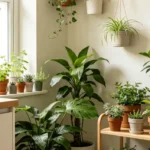
There is no point rushing to buy expensive grow lights or ultrasonic humidifiers before you test simple, zero-cost adjustments. A decent window usually provides enough light if you observe how each plant reacts throughout the day. Group several plants close together, and they naturally raise local humidity around one another through transpiration. A shallow tray filled with water and pebbles placed nearby also boosts moisture levels. Keep all foliage far from heaters, radiators and air conditioning vents, which dry out leaves rapidly. Most common houseplants grow perfectly well in standard room temperatures, and these small, free adjustments always outperform costly electric gadgets.
Propagation became my absolute favourite trick for stretching the plant budget further. Snip a healthy stem from pothos or similar vining plants, drop the cutting into clean water, and new white roots will form within weeks. You can divide clumping plants into smaller separate specimens when they outgrow their pots. Certain succulents can even grow brand-new plants starting from a single healthy leaf. Within my first year learning propagation, my plant collection doubled without spending a single cent on new store-bought plants. I regularly share extra plant cuttings with friends and neighbours, and that sense of achievement felt incredible the first time my propagated cuttings successfully matured.
When you do decide to purchase new plants, shop smart. Small young starter cuttings cost far less than fully mature specimens, yet they quickly catch up in size with consistent, gentle care. Local plant swaps and community gardening groups often offer cuttings and established plants completely for free. End-of-season clearance sales at garden centres turn up healthy, discounted plants that shops want to move. Always carefully inspect leaves, stems and the surface of the soil for tiny pests before bringing anything home. A plant that looks lush and attractive on the shop shelf does not guarantee it will survive long indoors.
Pests inevitably appear from time to time, but synthetic chemical sprays stay on the shelf in my home. A gentle mixture of mild dish soap and water works well against many common pests; remember to test the spray on one single leaf first to avoid leaf burn. Pure neem oil acts as a reliable natural backup treatment for heavier infestations. For small outbreaks, I simply pick pests off by hand or wipe leaf surfaces with a damp cloth. Generally, healthy plants can fight off infestations far better, so regularly wiping dust and trimming dead foliage prevents most pest problems from taking hold.
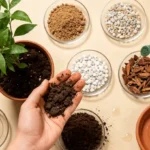
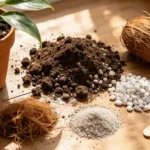
Potting soil also needs regular care without full replacement every year. I stir my homemade kitchen compost into the medium routinely to replenish nutrients. Old soil can be reused after removing rotten root fragments and dead plant debris. Adding coarse sand or small bark chips improves drainage for plants prone to root rot. Never pack soil tightly around roots; compacted earth restricts airflow and slows growth. These small practices make every bag of soil last much longer.
Consistency ends up being the most valuable low-cost tool any plant parent can use. I check over my collection once or twice a week. I trim off yellowing leaves, wipe dust from foliage to help them absorb light, and rotate pots regularly so every side receives even sunlight. Sometimes I jot quick notes about which adjustments help each plant thrive. None of these tasks cost money, yet they catch potential issues early before they turn fatal.
Low-cost houseplant care ultimately comes down to careful observation and steady small adjustments, rather than endless shopping for new supplies. Building these patient, simple habits turned plant parenting into a sustainable hobby that actually sticks, instead of a cycle of wasted money and dying plants. Every room feels brighter, fresher and calmer with greenery filling empty corners, and that reward makes all these small, affordable efforts well worth repeating.