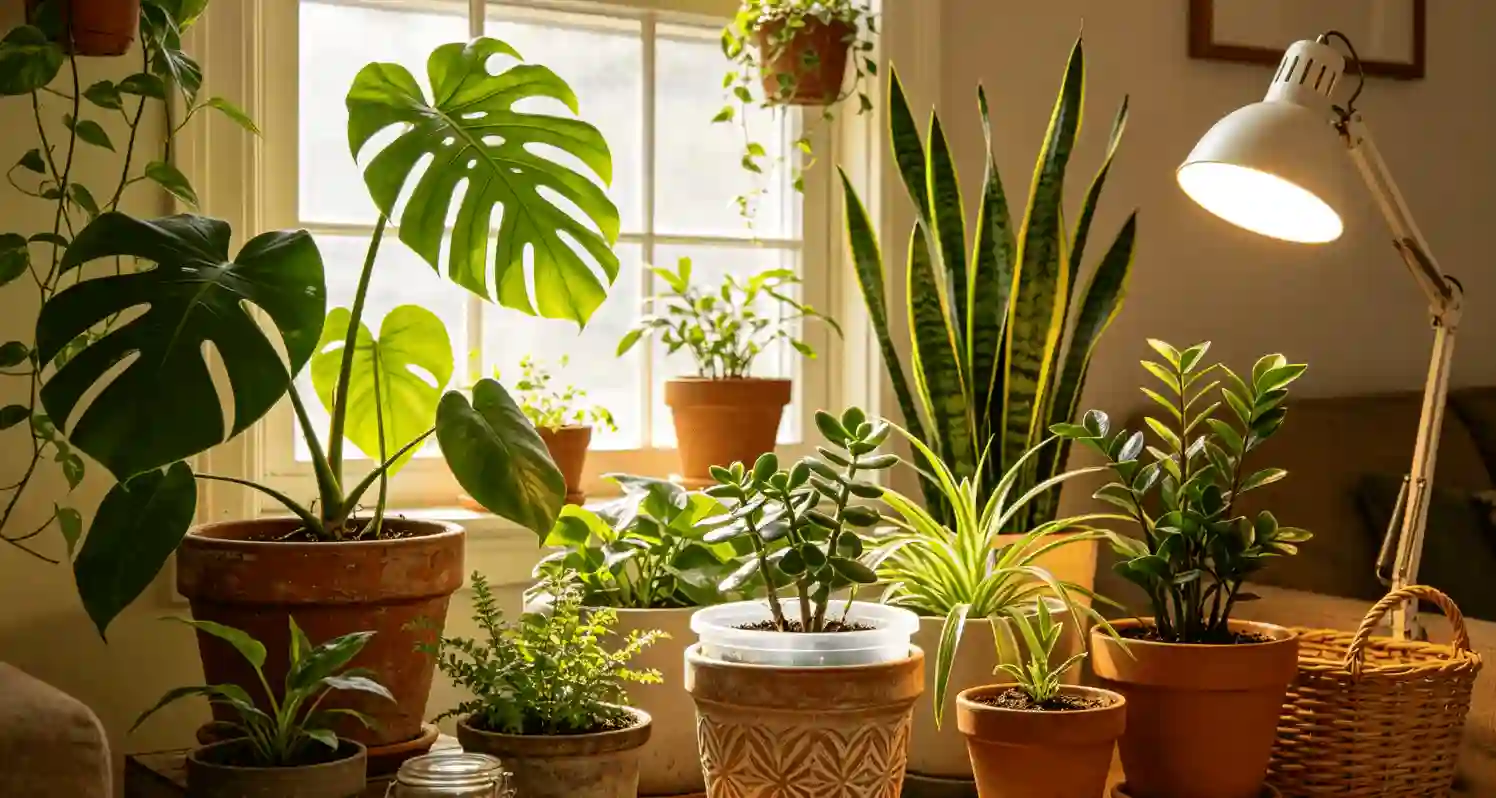
Clearance racks became my secret weapon for building a full, thriving plant collection over the years. You’d think every plant enthusiast would know this simple hack, but surprisingly few people take advantage of these discounted gems. Most shoppers walk straight past wilted, marked-down plants to grab the perfect, full-priced specimens, leaving endless potential waiting to be rescued.
I learned this valuable lesson after wasting far too much money on full-price greenery that I could have gotten for a fraction of the cost. Most budget plant advice fixates on trivial penny-saving shortcuts, yet it overlooks the biggest financial win: spending strategically instead of just spending less. Cheap and smart plant care practices sometimes overlap, but they don’t always. Many trendy low-cost shortcuts backfire later, creating extra maintenance work, stunted growth, or even dead plants that end up costing more money long-term.
The truth is, those droopy, scruffy-looking plants on store clearance racks hold the real value. Grocery store plant sections and hardware garden aisles regularly mark down struggling plants by half or even three-quarters of their original price. They get discounted simply because they look unappealing—missing a few leaves, sporting yellowed foliage, or sitting in rock-hard, parched soil after weeks of inconsistent store care. Most customers pass them over entirely for the lush, perky, perfectly maintained alternatives on full display.
But the fix for these clearance plants is incredibly simple. The vast majority are not sick, infested, or dying—they’re just severely thirsty and light-deprived after sitting neglected on retail shelves. A thorough, deep soak of water, a few days of gentle, indirect natural light, and minimal gentle care is all it takes for them to perk back up to full health. I got an incredible kick out of my first plant rescue, watching a sad, wilted clearance plant transform into a vibrant, thriving green specimen. It felt like I’d beaten the expensive plant retail system entirely.
Local plant swaps and community trades take budget collecting even further, eliminating plant costs entirely. Instead of spending money at stores, you trade surplus cuttings and mature pups from your own collection with fellow local plant lovers. One healthy pothos vine produces endless viable cuttings over several months. You can pass those extras along to friends or community members in exchange for new, unique varieties you don’t own. This lets you diversify your collection rapidly with zero retail spending. Easy, fast-growing houseplants always create natural surpluses, and no fellow hobbyist minds sharing an extra cutting from an overgrown vine. It’s proof that community connection beats expensive store purchases every single time.
While I save aggressively on plants themselves, I refuse to cut corners on core tools and daily-use supplies. Take pruning shears, for example. Flimsy bargain shears dull after just a few uses. They crush and tear delicate stems instead of making clean, precise slices, leaving ragged tissue that heals slowly and easily attracts bacteria, fungus, and disease. A high-quality pair of pruners costs more upfront, but it lasts for years, delivers clean cuts every time, and protects the health of your entire plant collection.
The same rule applies to a proper watering can. Repurposed jars and cups seem like a harmless budget swap, but their wide, messy spouts splash water haphazardly, leaving foliage wet for hours on end. In humid indoor environments, lingering moisture on leaves quickly sparks fungal spots and mold. Investing ten or fifteen dollars once in a watering can with a long, narrow, controlled spout eliminates this risk entirely, and it’s a durable tool you’ll use daily for years.
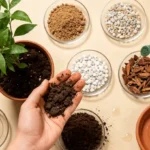
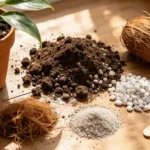
Growing supplies follow this same strategic pattern. Buying tiny individual bags of perlite, bark, or fertilizer seems cheaper upfront, but it’s a terrible long-term value. Over time, I’ve found larger bulk sizes deliver far more product per dollar. Since these supplies support your entire collection and last months or even years, bulk purchases drastically cut overall costs. Of course, I always test new brands in small quantities first to confirm they work well for my plants before committing to a bulk order, which avoids wasted money and useless supplies.
I also skip trendy curated plant boxes and monthly subscription deliveries entirely. These services charge premium prices for nothing more than fancy packaging and pre-selected generic plants and supplies. A $45 curated plant kit can be replicated for less than half the cost when you pick individual plants, pots, and soil tailored to your space. You’re only paying for convenience and branding, not better quality or healthier greenery.
At the end of the day, smart plant budgeting all comes down to proper priorities. Splurge strategically on durable, daily-use tools that protect your plants long-term, and save aggressively on plants via clearance rescues and community trades. This balanced approach stretches a tight budget further than any random shortcut. It keeps money in your pocket, your plant collection growing steadily, and your greenery healthy and vibrant. Once you shift your mindset from “cheap” to “strategic,” affordable plant parenthood feels effortless and endlessly rewarding.