Most folks assume you need fancy fertilizers, expensive planters, and pro-level gardening tools before anything green will survive indoors. People often shy away from growing houseplants because they fear they lack experience, time, or money to keep them alive. But this common belief is totally untrue. Snake plants showed me that early on in my plant-growing journey. They thrive in neglected low corners of the house, soak up whatever sporadic attention you give them, and still push out sturdy new leaves steadily even if you travel for a week or forget to water them entirely. They are the perfect beginner plant, forgiving of every rookie mistake.
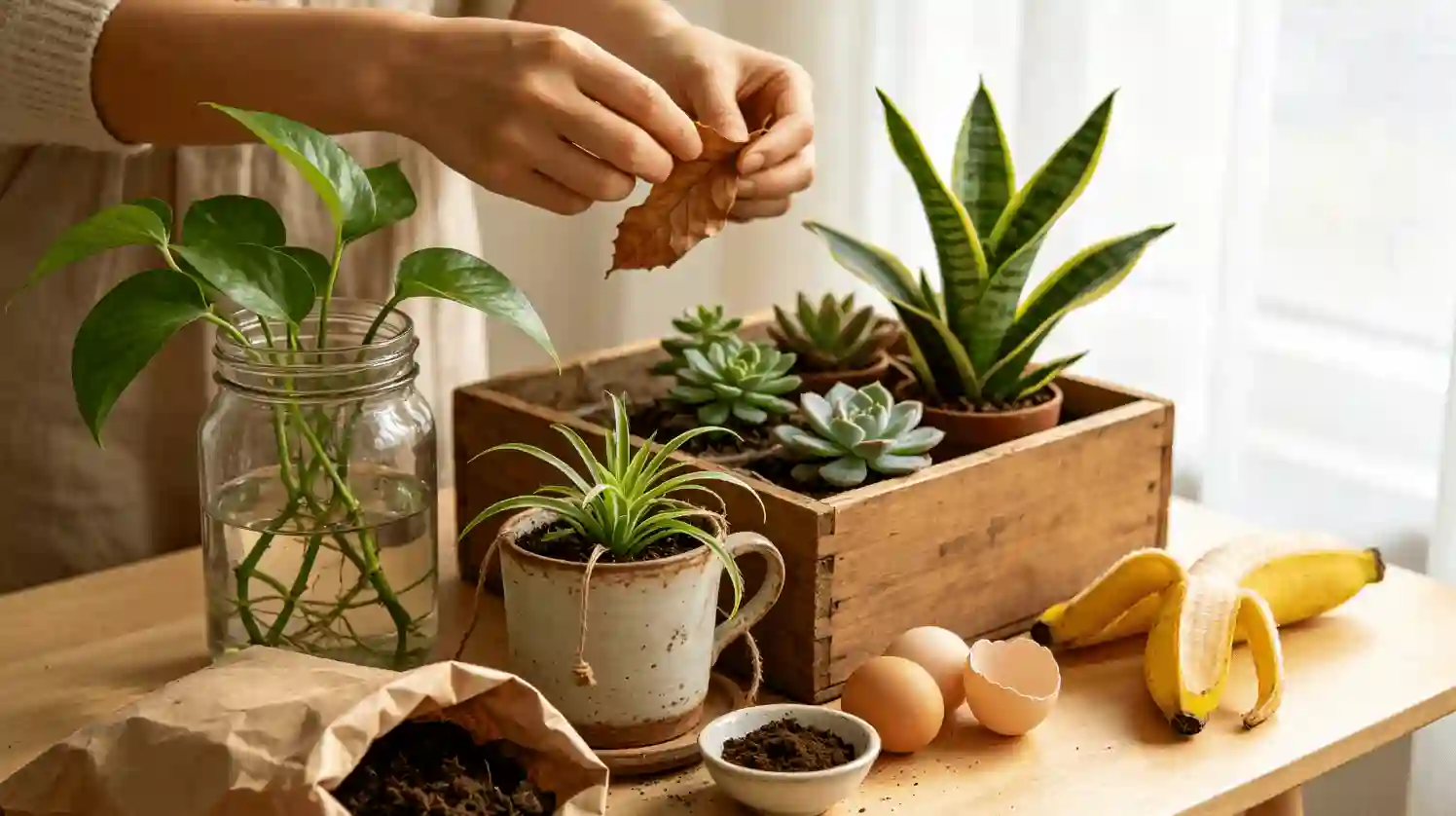
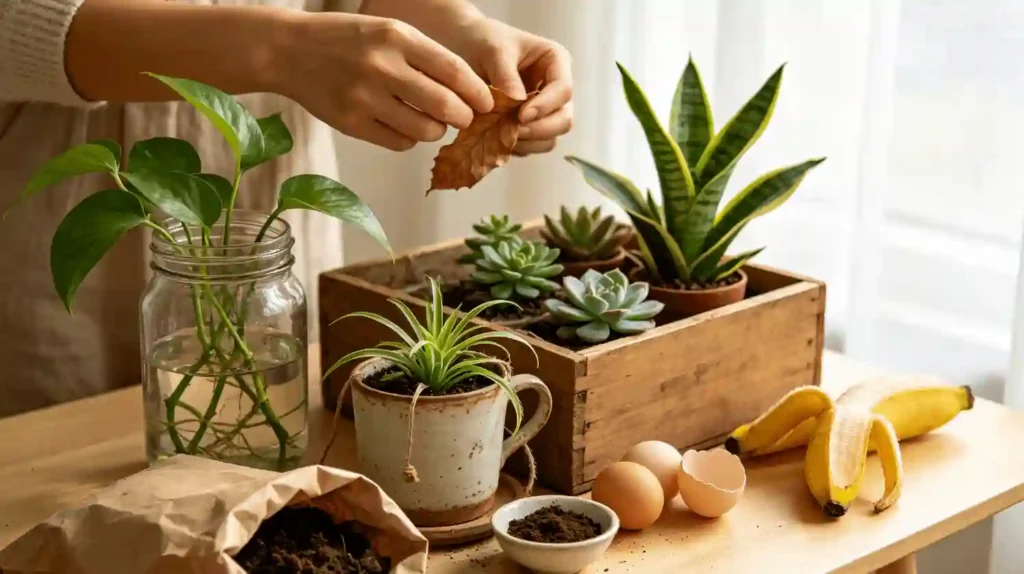
The interesting part about indoor gardening is how many store-bought supplies you can skip buying altogether, which makes plant care accessible to everyone. Pothos, one of the most resilient and fast-growing houseplants, is a prime example. You can simply snip healthy stem pieces with a few leaves and root them in a plain glass of tap water. Within weeks, tiny white roots will sprout, and one mature plant can quickly turn into five or six new individual plants. Spider plants naturally shoot out long runners dotted with tiny baby pups that you can separate and repot easily. ZZ plants handle weeks of neglect, dry soil, and low light better than most people expect, while aloe vera rewards minimal care with soothing gel perfect for minor burns and skin irritations, asking for almost nothing in return. Starting with these hardy, low-maintenance varieties cuts the risk of wasting money on delicate, high-maintenance plants that wilt and die on the windowsill.
What many new plant parents overlook is that decorative plant containers add up fast if you let them. Instead of splurging on pricey ceramic or designer planters, I reuse whatever containers are already around the house. Old ceramic cups, clean glass jars, empty pasta sauce containers, and even rinsed plastic bottles from the recycling bin work perfectly well. The only non-negotiable rule for repurposed planters is proper drainage. Without holes to release excess water, plant roots drown and rot, sending you right back to square one. My favorite hack is to slip a standard plastic nursery pot inside a decorative upcycled container. I pull the inner pot out to water thoroughly, let it drain completely, then slide it back in place. This simple trick saves money, creates unique, personalized plant setups, and permanently eliminates soggy soil that kills most houseplants.
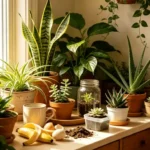
Homemade kitchen scraps work far better than expensive store-bought chemical fertilizers for gentle, sustainable plant feeding. Compost made from vegetable peels, fruit scraps, and used coffee grounds enriches the soil around plant roots, adds natural organic nutrients, and locks in moisture, cutting down on how often you need to water your plants. It’s amazing how everyday household waste can transform into valuable plant food. Used coffee grounds add vital nitrogen to the soil to boost leaf growth, but it’s crucial not to dump thick piles directly on top of the soil, as this disrupts nutrient balance and can mold. Cleaned, dried, and crushed eggshells slowly release calcium to strengthen plant cell walls and prevent leaf browning. Banana peels soaked in room-temperature water for two days create a natural nutrient tea loaded with potassium, which supports steady growth and vibrant foliage. I tested this method extensively last summer on my pothos and spider plants, and the results were consistent and impressive—lush, greener growth with zero cost.
In my years of growing houseplants, I’ve found that watering mistakes kill more plants than pests, poor light, or bad soil combined. The biggest rookie error is assuming more water is always better. Overwatering suffocates roots and causes rot, while underwatering stunts growth. The best way to avoid this is to check soil moisture first: push your finger an inch deep into the soil or lift the pot to gauge its weight—light pots mean dry soil, heavy pots mean plenty of moisture. Plants send clear warning signs when care is off, including droopy stems, yellowing leaves, or crispy leaf tips. When watering is needed, soak the soil thoroughly until water flows out the drainage holes, which encourages roots to stretch downward for water instead of growing shallow, weak root systems. In colder winter months, plant growth slows dramatically, so watering frequency needs to be cut back drastically. Learning each plant’s unique growth rhythm eliminates waste and prevents constant replacement purchases.
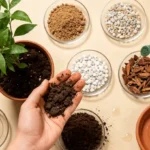
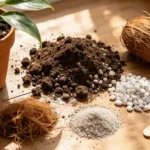
You also don’t need to buy fresh bags of potting soil every few months. Reusing and amending old soil saves money and reduces waste. Adding homemade compost loosens compacted soil texture while feeding plants naturally. Mixing in a one-time bulk purchase of coarse sand or perlite keeps soil loose and airy, ensuring oxygen reaches the roots and preventing dense, waterlogged dirt. When repotting old plants, I simply remove dead roots and dried debris, stir in fresh organic compost, and reuse the existing soil. This simple method extends the lifespan of planting supplies for months longer than store-bought soil alone.
Most beginners rush to buy expensive grow lights before fully assessing their home’s natural light. Bright south-facing windows provide ample light for herbs and sun-loving succulents. Medium, indirect light spots near east or west windows work flawlessly for pothos and spider plants with no extra equipment. Low-light corners away from direct sunlight are ideal for snake plants and ZZ plants. I always observe my plants for two weeks after moving them to a new spot. Leggy, stretched growth or pale yellow leaves signal insufficient light, while brown scorched leaf tips mean too much direct sun. Adjusting plant placement first eliminates unnecessary gear purchases.
Propagation is my absolute favorite plant care trick, as it lets you expand your plant collection completely free of charge. Healthy stems from philodendron and tradescantia root quickly in plain water, sprouting new roots in just a few days. Most succulents grow brand-new plants from single healthy leaves laid flat on moist soil. Larger clumping plants can be easily divided at the root base into multiple smaller plants. The greatest satisfaction comes from expanding your green space or gifting rooted cuttings to friends, all without spending a dime.
Preventative care always beats fixing plant problems after they escalate. A quick weekly check of leaves, stems, and soil catches small issues before they worsen. Removing dead leaves and debris eliminates hiding spots for pests, while wiping dust off foliage ensures plants can absorb sunlight efficiently. Proper spacing is also key—crowded plant clusters trap stagnant moisture, spreading mold and pests rapidly. These simple daily habits prevent costly plant losses effortlessly.
When pests occasionally appear, harsh chemical pesticides are rarely necessary. Most visible bugs can be wiped off by hand or treated with a mild diluted soap solution. Organic neem oil safely eliminates common pests without harming plants. The strongest defense against pests is simply keeping plants healthy and stress-free, as weak, neglected plants are far more susceptible to infestations. Consistent observation remains the cheapest and most effective plant care method.
A flexible, gentle routine ties all these tips together better than any expensive gardening gadget. Once a week, I check soil moisture, inspect for pests or damage, and trim dead foliage. I adjust plant placement if light levels shift with the seasons. Once a month, I do a deeper maintenance check: adding a small amount of compost for slow growth, cleaning planters, and repotting overgrown plants. This unrigid routine creates steady, healthy plant progress. Smart, minimal purchases and patient observation beat overspending every time. Indoor gardening is not about a huge, perfect collection—it’s about learning, adapting, and nurturing thriving green spaces naturally and affordably.