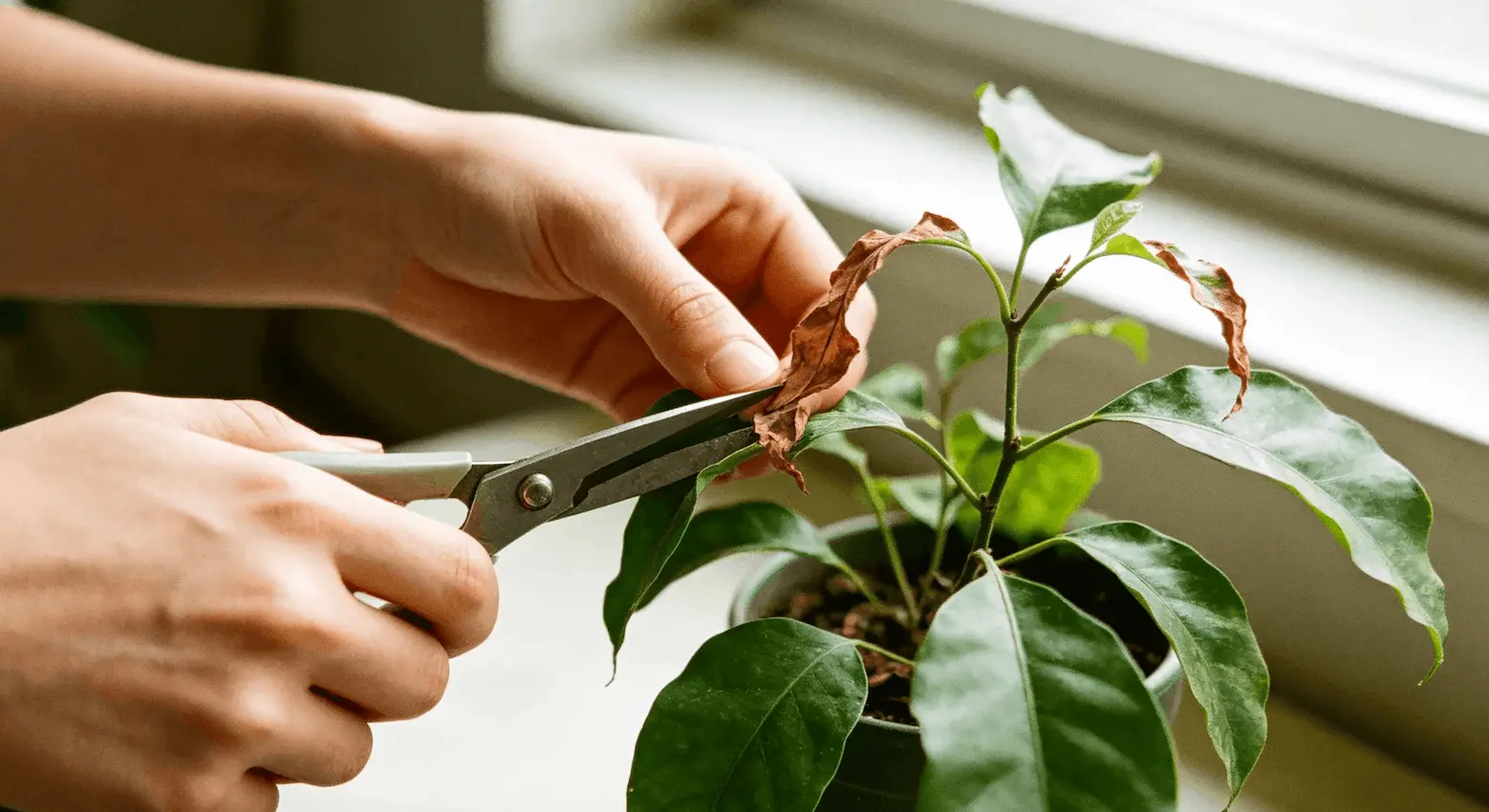
That monstera of mine went completely limp one random Tuesday. Yellow leaves started showing up everywhere and I kind of panicked at first. Thing is most of these issues scream pretty clearly once you know what to look for. From what Ive seen helping friends and tweaking my own indoor jungle over the years the plants basically talk through their leaves and stems. You just have to listen.
The catch comes when you throw random fixes at them without checking the basics first. So I always start by feeling the soil. Is it soaked or bone dry. Does the pot feel heavy like it holds a puddle down there. Turns out jumping straight to fertilizer or a new spot usually makes everything worse. What actually happens is one small shift at a time lets you watch how the plant responds over a couple weeks. Patience beats perfect knowledge every single time.
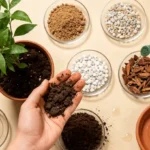
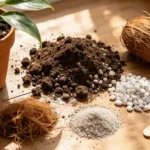
Yellow leaves used to freak me out constantly. Overwatering tops the list by far. Roots drown without air and the whole system shuts down. The leaves go soft and pale. Soil stays damp for days. Growth just stops. And that sour smell from the pot gives it away quick. I recommend waiting until the top few inches dry out completely then water slow and deep. Good drainage holes matter more than youd expect. Swap in a lighter mix with perlite if the old dirt packs down like clay.
Not every yellow leaf spells disaster though. Older ones naturally fade as the plant pushes energy upward. If the top growth looks strong and only the bottom few turn then its probably just the normal cycle. Nutrient shortages show up different. Everything pales out. New leaves stay tiny. A balanced feed during spring and summer helps but go light because too much burns the roots fast. I learned that lesson the hard way with a calathea that never recovered.
Brown crispy edges on the tips hit tropical plants especially hard. Low humidity dries them out no matter how much you water. Ferns peace lilies and most of those fancy foliage types complain first. Grouping a few pots together creates a little microclimate. A tray of pebbles and water nearby works too. The humidifier in my office made a noticeable difference last winter. Keep them clear of heater vents or ac blasts which suck moisture right out of the air.
Irregular watering creates its own mess. The plant bounces between thirsty and flooded and the edges scorch. Checking soil every few days beats any calendar schedule. Some tap water leaves mineral crust on top over months. White buildup plus those brown tips usually points there. Flush the pot with clean water occasionally or switch to filtered if you notice it piling up.
Wilting always confuses people at first. Both too much and too little water produce droopy leaves so the soil test decides it. Dry soil and a light pot mean give it a thorough drink until it runs out the bottom. Very parched dirt sometimes repels water at the start so go slow. Wet soil with yellow soft stems tells another story. Root issues have probably started. Cut back on watering and fix the drainage before it spreads.
Root rot sneaks up as the real killer more often than not. Healthy roots stay firm and pale. Bad ones turn dark mushy and smell awful. They break apart with barely any pressure. Overwatering poor soil or pots without holes set it up. I pull the plant out inspect everything and trim away the damaged parts with clean shears. Fresh well draining mix goes in next. Reduce water sharply after that. Early moves save most of them. The first time I salvaged a rubber plant this way it felt like a small victory.
Slow growth without obvious drama usually traces back to light or tired soil. Stems stretch long and weak toward the nearest window. New leaves stay small. The plant leans hard. Moving it closer to better exposure or adding a grow light often wakes it right up. Old compacted soil loses its punch too. Roots crowd and water flows through too fast or pools. Repotting into something fresher every couple years gives good results. Root bound plants show similar slowdown with roots escaping the drainage holes. A slightly bigger container helps them settle.
Sudden leaf drop hits after a move or temperature swing. Plants hate quick changes in light or heat. Drafts from doors or vents stress them out. Stable conditions work best. I rotate pots every week or two so growth stays even instead of reaching in one direction. Leggy thin stems pretty much always mean not enough light. Pruning the long bits and giving stronger exposure fills them back in over time. Many bounce back stronger than before.
Pests still find their way inside no matter how careful you are. Spider mites leave tiny spots and fine webs especially on dry foliage. Fungus gnats hover near overwatered soil. Mealybugs look like little cotton bits and leave sticky trails. Wipe leaves often raise humidity and let the soil dry more between waterings. Manual removal plus gentle treatments handle most outbreaks before they spread.
White powdery patches usually signal mildew from stale air or wet leaves staying damp too long. Better circulation and removing the bad spots helps. Sometimes its just hard water marks. A soft wipe with clean water clears those up.
When something looks off I run through the same quick checks. Soil first then light then a close look at leaves and stems. Roots only if the top clues dont add up. One change at a time. Observe for weeks. Rushing multiple fixes at once muddies what worked.
Checking plants every week catches stuff early. Dust on leaves blocks light which makes sense when you think about it. Good airflow cuts down on fungus. Choosing spots with the right light from the start prevents a bunch of headaches. I still lose one now and then.
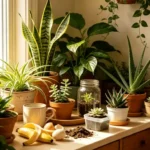
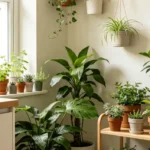
It goes to show these green companions teach you more than any book. The real issue tends to be ignoring the signals until they get loud. But once you start noticing the patterns it gets easier. My windowsill collection looks healthier now than it did years ago. And that feels pretty good.