I never bought a moisture meter. Not once. The houseplant hobby constantly pushes specialized gear so aggressively that these supplies start to feel mandatory for success, yet my collection grew and thrived fine using methods that basically amounted to pocket change. Worn gardening books borrowed from the library, simple growing wisdom passed down through my grandma’s stories, and countless quiet hours spent carefully observing leaves, stems and soil taught me everything I needed to learn along the way.
Propagation hits different, and it slowly became my absolute favorite trick. Take a clean cutting from a pothos directly below a node, drop it into plain room-temperature water, and wait roughly two weeks. Thin white roots emerge almost like magic, turning one single vine into multiple independent plants. Mature snake plants can be split at the base during repotting, granting instant new plants for zero dollars. Even a fiddle leaf fig can be multiplied through air layering with sphagnum moss and plastic wrapping, provided you have the patience—and over time, I have managed to build that patience. Trading rooted cuttings with neighbors down the street or members of local plant groups accelerates collection growth dramatically. You end up with far more diverse varieties than you could ever afford simply buying every new plant from a shop.
The commercial industry built around houseplants always strikes me as strange. Forty-dollar moisture meters, sixty-dollar branded grow lamps, recurring monthly potting soil subscriptions line retail shelves and online stores. Some premium items feel pleasant to own, but almost none of them prove truly essential for healthy foliage. What happens all too often is that people spend heavily on equipment first, then scratch their heads wondering why their windowsill looks costly, yet their plants still struggle and slowly decline regardless of all the new gear.
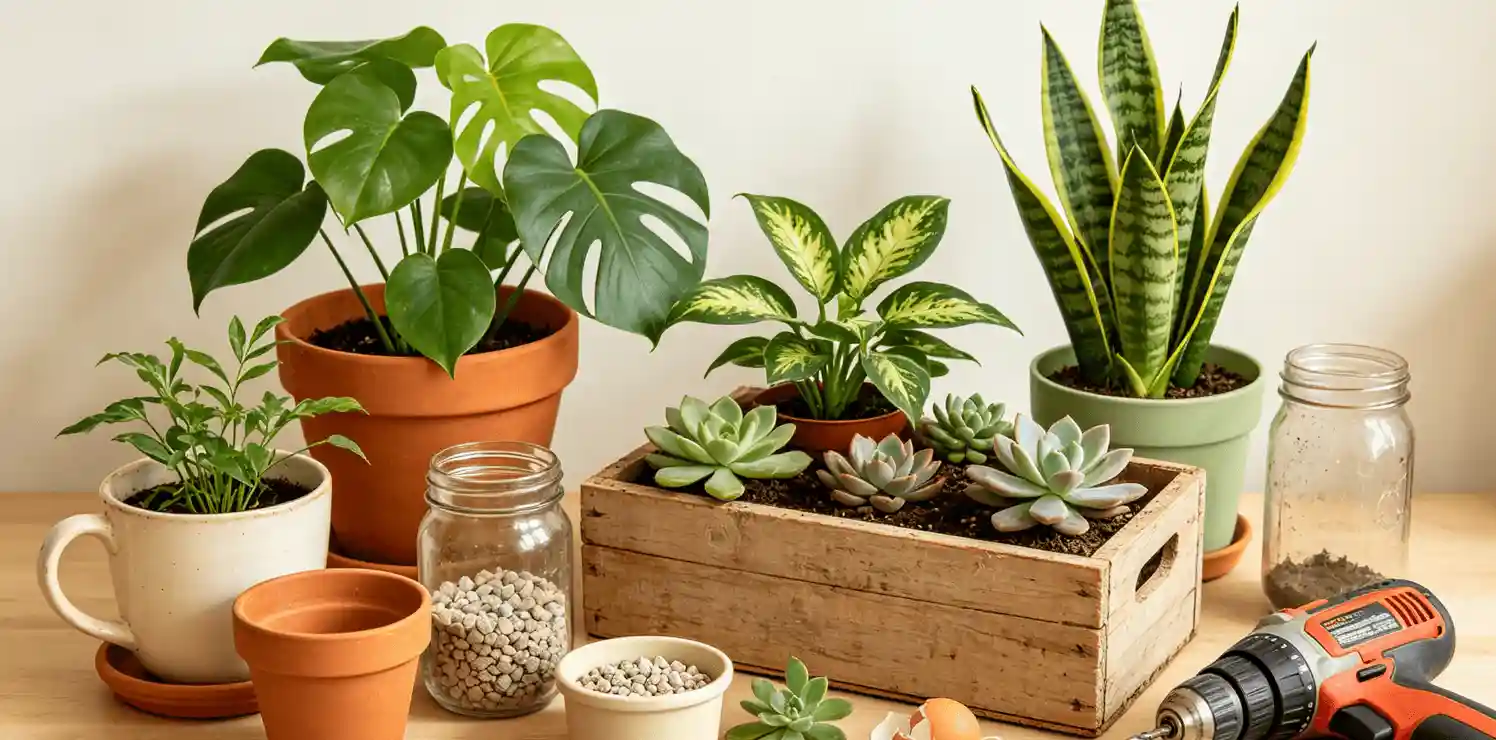
Pots follow a simple, reusable pattern in daily practice. Slide a basic plastic nursery container inside a nicer decorative vessel you find anywhere. The plain plastic pot manages reliable drainage, and nobody notices the functional, unappealing plastic hidden underneath. Thrift stores are full of affordable ceramic containers available for almost nothing. If you want to turn a solid ceramic pot into a functional planter, a regular drill paired with a masonry bit and a slow trickle of cooling water can punch clean drainage holes in five minutes flat. A two-dollar secondhand pot transforms into something that would sell for twenty-five in plant shops. If a drill is unavailable, use the decorative pot purely as an outer sleeve. Remove the inner nursery pot after watering to drain excess liquid fully before sliding it back inside. Plenty of experienced plant caregivers rely on this trick whether pots have holes or not, since it also makes occasional root inspections far simpler.
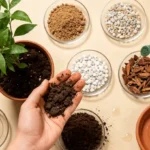
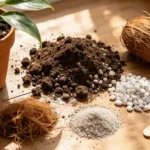
Prepackaged soil bags marketed specifically for orchids or succulents are frequently just regular potting soil remixed with extra additives sold at a steep markup. One large bag of standard all-purpose mix goes a very long way. Buy bulk perlite, pine bark, coarse sand or horticultural charcoal to blend in separately as each plant requires. An equal blend of soil and grit works perfectly for most cacti and desert succulents with minimal effort. Aroids thrive when the mix contains plenty of chunky material to keep airflow circulating around their roots. You fully control soil texture instead of gambling on whether a premade commercial blend suits your plants. Overall costs drop noticeably, and plant health improves consistently.
Fertilizer labels sell garden romance more than measurable results. An unassuming hardware store bottle with balanced nutrient ratios printed on the back works equally well as overpriced branded options. Look for balanced 10-10-10 formulas, or mixes with slightly higher nitrogen to support lush leaf growth. Always dilute the fertilizer further than the official instructions recommend; indoor potted plants consume far fewer nutrients than plants growing outdoors in open ground. Dried used coffee grounds gently worked into the top soil layer deliver a mild nutrient boost. Cleaned, crushed eggshells soaked in water create a simple calcium-rich plant tonic. Neither can fully replace complete fertilizer for fast-growing hungry plants, yet both cost nothing and offer genuine small benefits.
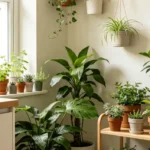
Light requirements also get wildly exaggerated by plant marketing. An east-facing or south-facing window delivers sufficient natural light for most common houseplants without spending a single cent. Dim shadowy corners may benefit from an ordinary daylight LED bulb screwed into a basic household lamp. This simple setup supports tough varieties such as snake plants better than many expect, though highly demanding tropical species will still crave brighter conditions. Purpose-built dedicated grow lights earn their place only for serious indoor growing setups. For most hobbyists, they remain unnecessary purchases.
Consistent, mindful attention outperforms every gadget I have ever tested. Stick a finger one inch down into the soil, and you instantly know whether watering is needed. Regular observation lets you spot tiny pest colonies before they multiply out of control and avoid repeated, disruptive treatments. You catch signs of being rootbound early and avoid the stressful recovery period that follows prolonged neglect. My biggest savings came from building this simple checking routine rather than relying on tools to do the observing work on my behalf.
None of this philosophy means you cannot enjoy nice decorative items for your space. Plants pay no attention to price tags. They respond to consistent reachable light, proper drainage after watering, and loose soil that never stays soggy for days on end. Learning to tell the difference between convenient luxury items and absolute necessities completely shifts how you approach the plant hobby. All the core fundamentals are far cheaper than marketing campaigns want you to believe. And honestly, it feels incredibly rewarding watching your collection flourish steadily without pouring endless cash into every trendy new product that hits the market.