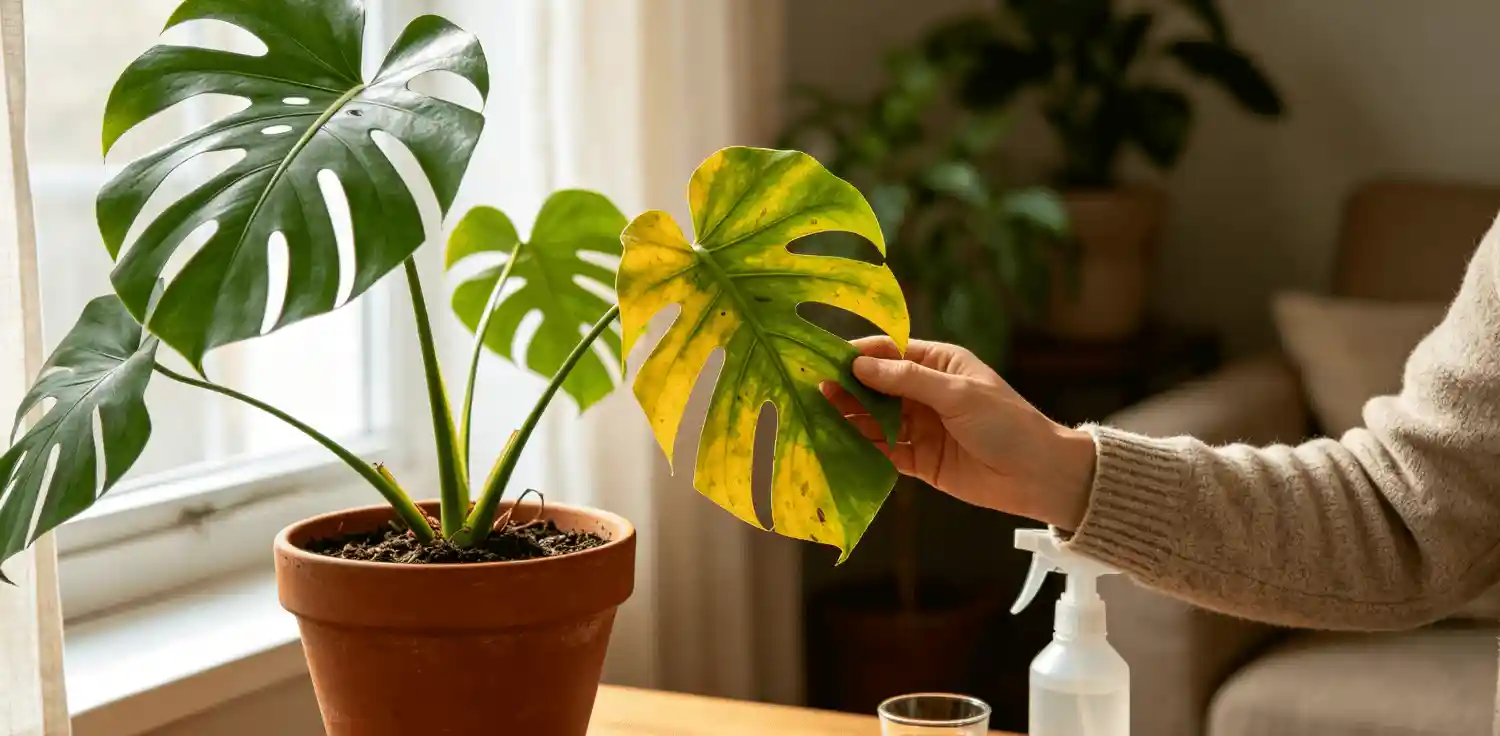
Yellow leaves send plant owners into a spin faster than any other warning sign. One or two foliage fronds start to fade, and rushed assumptions fly immediately. Root rot gets blamed without proof. People rush out to swap the pot that very same afternoon. They hack away at the plant by cutting back dozens of leaves, overhaul their entire watering routine, and make all these adjustments simultaneously in a panic.
Thing is, discoloration often only means the plant is naturally shedding its older growth. This process unfolds slowly, usually limited to the lowest, oldest foliage, while fresh emerging leaves stay vibrant and the whole plant remains stable and healthy. Even so, most hobbyists treat this ordinary cycle like a dire emergency. Unnecessary intervention creates brand new stress where none existed before. Roots get disturbed for no valid reason, transplant shock settles in, and brand-new complications surface that never would have developed on their own. From what I have observed, waiting and observing always beats rushing to intervene. Watch closely whether yellowing spreads to new growth or stays confined to those single aging leaves. Keep an eye out for bright, healthy new foliage unfurling. If discoloration stays contained, the leaf can run its full course and drop naturally, or you can trim it off cleanly. Simple as that. No drastic adjustments or complicated fixes required.
Fertilizing a weak, stressed plant is another common habit that tends to backfire badly. Intuition makes it feel like the right move, similar to offering nourishment to someone who feels unwell to help them recover. But the reality is different. A struggling plant halts active growth as a survival response to stress. Pest infestations, damaged roots, sudden shifts in temperature or light all force growth to pause. Any fertilizer you add sits unused within the soil. Mineral salts accumulate steadily over time, and this buildup can burn and harm sensitive root tissue even further. I witnessed this exact mistake kill a thriving fiddle leaf fig once, and the slow decline was anything but pretty to watch unfold.
So the correct sequence is to identify and resolve the source of stress first. Continue monitoring until genuine new growth emerges and proves the plant is recovering. Only then resume regular scheduled feeding, never the reverse order.
Wilting foliage easily confuses new growers too. Droopy leaves scream thirst, so water gets poured straight into the pot without a second thought. The hidden catch is root rot produces identical wilting symptoms. When roots decay and turn mushy, the plant loses its ability to absorb water, even when soil stays thoroughly saturated. Pouring on extra water only worsens rot and pushes the plant closer to collapse. Always test soil moisture first. If the medium is dry deep down, watering is needed. If it remains damp or soggy, root damage is the likely culprit. This single quick check prevents countless avoidable plant losses, without a doubt.
Pests add another layer of complexity. You need to properly identify the invader before reaching for any spray. Different insects demand targeted solutions. Generic all-purpose pesticide may have zero effect on your specific pest, or it bombards the plant with unnecessary chemical stress. Take fungus gnats as an example. Their larvae live underground within persistently damp soil. Spraying leaf surfaces will never address the overly wet growing medium that created their breeding environment in the first place.
Grab your phone and zoom in for a clear close-up inspection. Examine leaf undersides and tight stem joints thoroughly. Spending just two minutes on this careful observation saves weeks of ineffective, misguided treatment. Confirming the root cause upfront always remains the key.
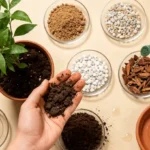
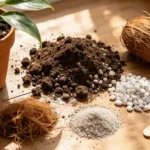
Then there is repotting, which has turned into a default quick-fix solution for every plant woe. Repotting is valid in certain scenarios: degraded compacted soil, severely rootbound roots, or advanced root rot. Yet repotting delivers heavy shock to most plants. If your plant’s struggles stem from poor lighting or hidden pests instead of soil issues, adding massive root disturbance will not improve anything at all.
When you truly suspect underground trouble, gently lift the plant from its container and inspect the root ball directly. The condition of the roots tells the full, honest story, far more reliably than guessing based purely on visible foliage above the soil line.
I keep noticing the same recurring pattern among frustrated plant caregivers. When something appears wrong, the first instinct is always to do more. More adjustments, more gardening products, more rapid action. It feels proactive and responsible. Yet plants recover far better when you implement one meaningful change, then pause and grant them time to show how they respond. Testing soil moisture, examining root health, identifying pests accurately, tracking whether symptoms slowly worsen or stabilize. Those small preliminary steps save struggling plants more often than not. It goes to show patience consistently defeats panic, even if staying calm is not the first instinct that surfaces the moment your favorite houseplant starts looking under the weather.