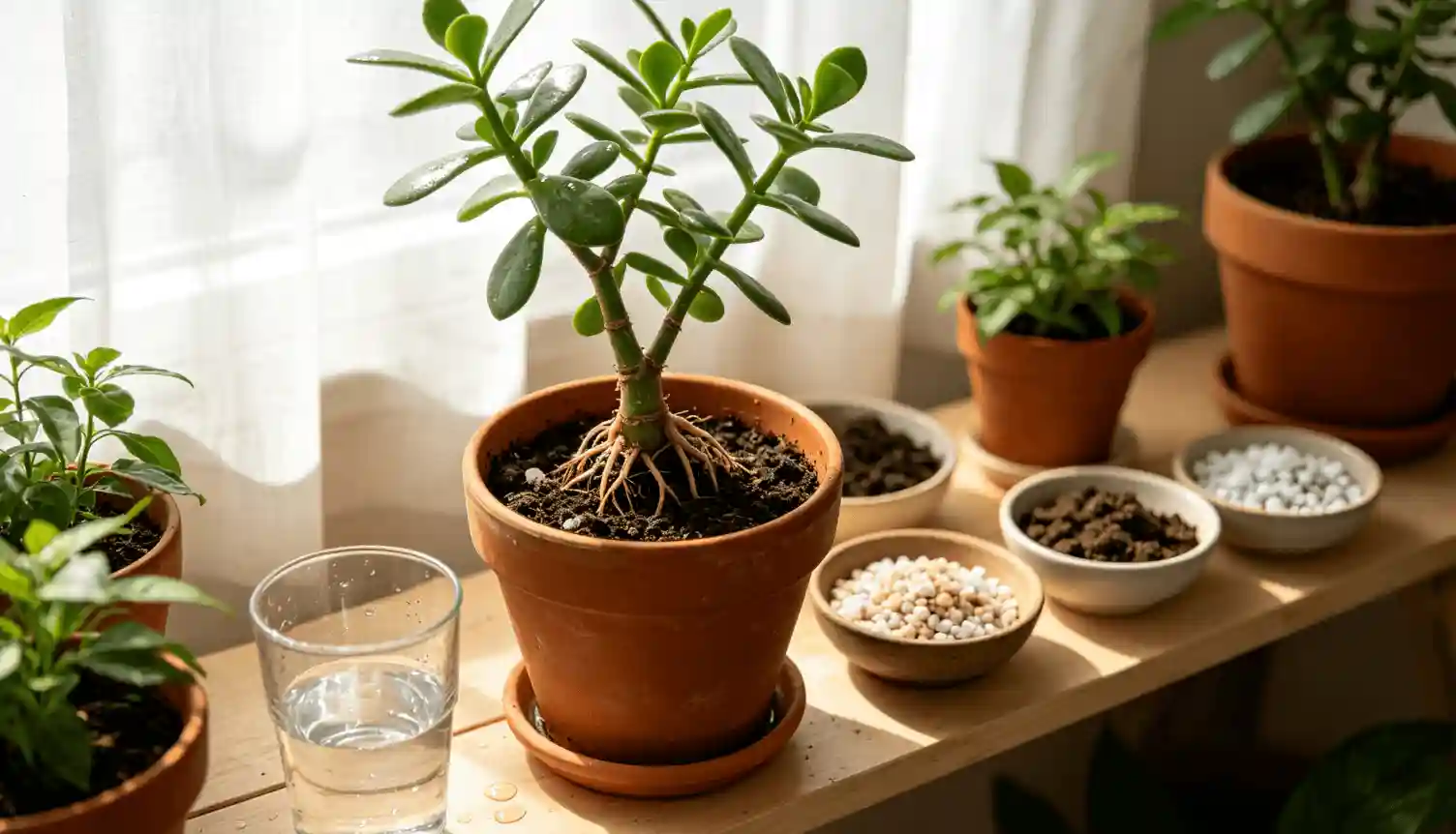
Seeing roots grow from a plain stem still surprises me. I started experimenting with propagation because continuously buying mature store-bought plants grew expensive after a while. Turns out you can multiply what you already own without much trouble at all, and there is a quiet, deep satisfaction in nurturing new life from cuttings you could have tossed away.
The interesting part comes from how a single parent plant can keep producing offspring. It feels as though every plant carries this built-in ability to regenerate and spread. What stands out most is the patience it teaches you, because visible growth rarely happens overnight. Many new hobbyists assume propagation requires specialized gear, expensive hormones or dedicated grow stations, but it really does not. Most successful rooting happens with simple household supplies.
Plant propagation means growing fresh new plants from different pieces of your existing foliage. Nature carries out this cycle through all sorts of methods outdoors, and indoor gardeners simply replicate those natural processes at home. Growing from seeds brings subtle genetic variation, so seedlings might look slightly different from the parent. Meanwhile, rooting stems, leaves or divided root clumps creates exact genetic copies of the original plant. For most people tending houseplants at home, this second method delivers faster, more reliable results you can depend on.
The financial benefit hits home quickly. Regularly purchasing full-sized potted plants gets pricey fast. One healthy trailing vine, for instance, can eventually create dozens of new individual plants. Your living area slowly fills with greenery without draining your wallet. Passing rooted cuttings along to friends also makes thoughtful, meaningful handmade gifts far better than generic store presents. If part of a plant begins to decline, you can often salvage healthy stems and leaves to start anew instead of losing the whole specimen entirely. Beyond saving money, propagation lets you witness how growth truly works beneath the soil, turning routine plant care into a much deeper, more observant hobby from what I have seen.
Stem cuttings seem to be what everyone tries first, especially common indoor varieties. Pothos, monstera and rubber plants respond wonderfully to this method. You select a sturdy stem covered in healthy foliage, and make sure it includes at least one node—the spot where a leaf connects to the stem, because this is where new roots and shoots develop. Always make a clean cut with sharp, sanitized blades. Strip off lower leaves so none sit submerged in water or buried underground, which prevents rot. Then encourage root growth either by placing the cutting in water or planting directly into potting mix. Each method carries unique advantages depending on the plant you are working with.
Water propagation works perfectly for beginners. You get to watch roots slowly develop inside a clear glass jar, and that visible progress feels incredibly rewarding. Fill a clean container with room-temperature fresh water, submerge only the cut end while keeping all upper foliage dry. Set the jar somewhere with gentle indirect light, far away from harsh midday sun. Refresh the water every few days to stop bacteria from building up. Once roots grow a couple centimeters long, you can transplant the young plant into soil. The catch is certain species struggle with the transition; they establish far better if they start in soil rather than taking the water detour.
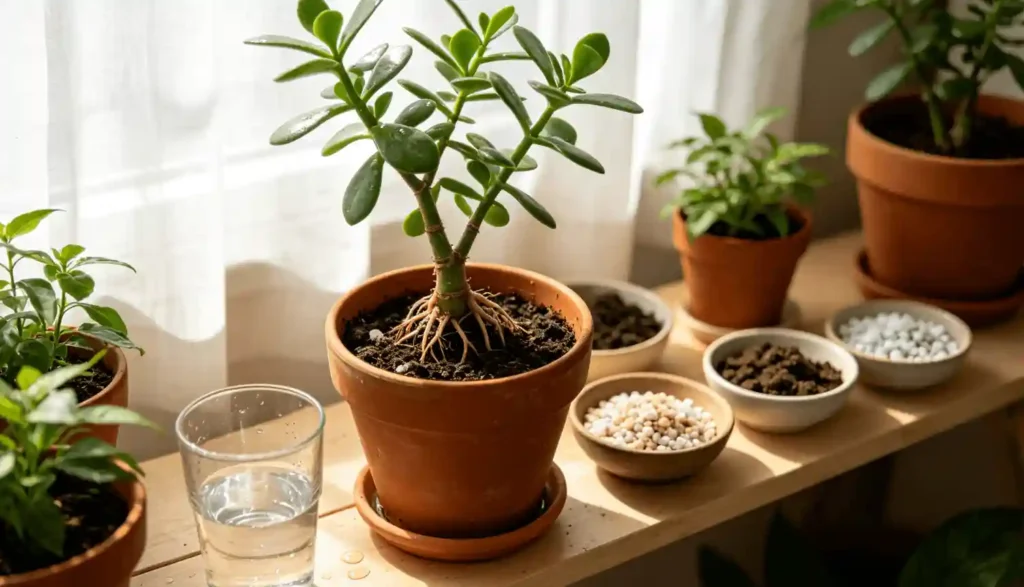
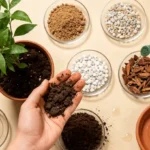
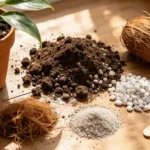
Planting cuttings straight into soil produces roots adapted to life underground from day one. Prepare a loose, fast-draining growing mix. Push the cut end into soil at an appropriate depth, maintain light consistent dampness and avoid overwatering. Provide steady indirect light, and new emerging leaves signal successful rooting. You cannot observe root development underneath the surface, yet these young plants usually grow tougher and adapt more easily long term.
Leaf propagation works independently for specific types of plants, such as fleshy succulents, snake plants and several flowering houseplants. Gently twist or snip a whole leaf away cleanly without tearing the tissue. Allow the wound to form a dry callus for a day or two when working with succulents. Lay the leaf flat on top of lightly moistened gritty soil and wait. It takes longer than stem propagation, yet a single healthy leaf can produce multiple baby plants, which never ceases to amaze me.
Division offers another straightforward propagation method for overcrowded potted plants. Peace lilies, spider plants and ferns thrive when separated. Carefully lift the whole root ball out of its container. Gently tease tangled roots apart, ensuring each separated clump holds intact roots and foliage. Repot each section into fresh growing medium and maintain regular care afterward. You gain reasonably mature new plants instantly, as they already have established root systems, making this one of the fastest techniques available.
Beginners fare best by practicing on forgiving varieties first. Heartleaf pothos roots reliably in plain water almost every time. Spider plants naturally produce runners with ready-made pups, making them incredibly simple to propagate. Snake plants demand patience but will grow from leaf cuttings with consistency. Succulents and herbs such as mint also root rapidly in either water or soil. Mastering easy options builds confidence and skill, avoiding the frustration that comes from attempting high-maintenance species too soon.
New growers repeatedly run into the same avoidable obstacles no matter how careful they aim to be. Missing the vital node on a stem halts growth completely, since roots cannot form without it. Dirty cutting tools introduce bacteria and fungus that kill cuttings before rooting begins. Excess moisture triggers rot, one of the most common causes of failure. Light levels play a critical role too; intense direct sunlight scorches fragile cuttings, while deep shade slows development to a standstill. Rushing the process brings unnecessary disappointment, because many cuttings need weeks to show visible signs of life. Patience remains absolutely essential.
Freshly rooted plants need gentle attention while they settle into their new environment. They prefer soft filtered light over harsh direct sunshine. Keep soil lightly damp but never soggy or waterlogged. Hold off on concentrated fertilizer until they fully establish, because tender new roots burn easily. Transplants moving from water jars into soil often experience brief shock; this reaction is normal, so there is no need to panic. With steady care and time, they mature into full, thriving houseplants.
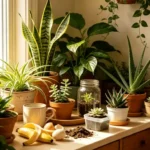
You can set up a simple propagation station without spending hardly any money at all. Sanitized sharp cutters come first, followed by recycled jars and cups for rooting, spare planters, loose potting mix, and optional labels if you want to track different varieties. A bright windowsill provides suitable light for most cuttings. This basic station lets you tend to multiple projects at once, learn from failed attempts and refine your techniques gradually.
Propagation also cuts down on how often you replace dead plants. You repurpose healthy trimmings instead of tossing them into waste bins. Sharing rooted cuttings spreads greenery among friends and neighbors, reducing demand for commercially grown plants. Over time this creates a smaller environmental footprint. Your connection to your plant collection deepens when you grow new foliage yourself instead of constantly purchasing more.
The real draw of propagation is how far a small amount of effort stretches. Under the right conditions, a simple cutting matures into a full plant. Watching white delicate roots unfurl inside plain water never loses its magic, no matter how many times I witness it. This skill stays valuable whether you live in a tiny urban apartment or have outdoor garden space. It creates opportunities for gifting and keeps your hobby affordable simultaneously. Your home slowly grows lusher in this quiet, steady way, one rooted cutting at a time.