Too much water kills more plants than anything else. That one fact took me years to fully accept. Most troubles start small with bad watering habits or the wrong dirt, yet they snowball fast if you miss the subtle early signals. New plant owners often dismiss tiny warning signs, assuming the plant just needs more care, and unintentionally make the situation far worse.
From what I have seen, the roots need this careful mix of moisture, air, nutrients and room to spread underground. Get it right, and steady growth picks up, strength builds, and problems stay far away. Mess it up, and even expensive store-bought treatments cannot save struggling foliage. The catch is that beginners often reach for the watering can when they should step back instead. Soil that stays continuously soaked starves roots of vital oxygen. Rot slowly sets in beneath the surface where you cannot see it. Leaves turn pale yellow, stems weaken, and decline creeps in. You would think more water equals healthier plants. But actually the opposite tends to hold true for nearly all common houseplants.
Checking soil moisture beats any rigid calendar schedule. Plant types, pot sizes, sunlight levels and room temperature all shift daily water demands, so blind guessing leads to avoidable trouble. Slide a finger two to five centimeters down into the planting medium. Dry soil means time to water. Cool and damp soil means you need to wait. The method is simple, yet countless hobbyists skip this basic step every single day.
Lifting the container works as another reliable test too. A thirsty pot feels noticeably lighter than one fresh from watering. Over time your hands learn the weight difference without much conscious thought. Leaves also send clear visual messages to attentive growers. Drooping or crispy leaf edges often point to underwatering; soil pulling away from pot sides and stunted slow growth reinforce those signs. Yellowing, soft mushy foliage or constantly wet dirt usually means too much moisture, and fragile, limp stems follow shortly after. Paying attention here prevents a bunch of unnecessary watering, and that small habit alone drastically improves long-term plant results.
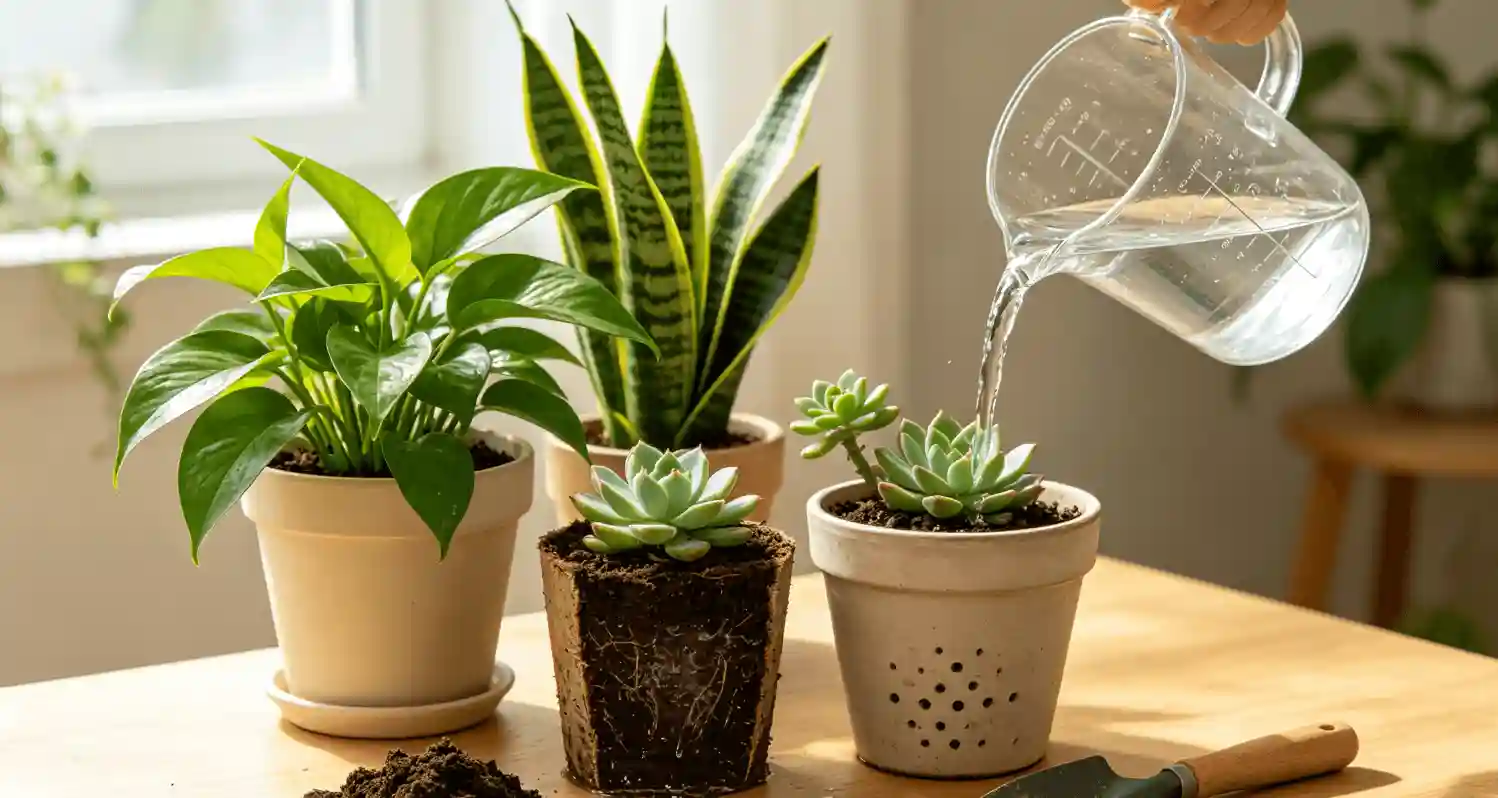
How you water matters just as much as when you choose to water. A slow, heavy pour until liquid drains out the bottom encourages deep, extensive root systems. Roots grow stronger and more resilient that way. Tiny frequent sips only dampen the top soil layer while deeper layers remain parched, which does very little good for the plant. Always empty standing water out of saucers afterward. Roots sitting in leftover water face oxygen shortages pretty quickly, and permanent root damage soon follows. For most varieties, aim water directly at the soil around the base. Constantly wet foliage can spark mold and fungus, especially inside homes with stagnant air circulation.
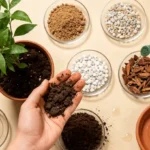
Soil is not some neutral holder for roots. It stores water, delivers food, and creates the entire underground living environment for your plants. Standard all-purpose potting mix handles many indoor varieties without fuss. Pothos, spider plants, peace lilies all thrive in balanced organic blends that retain gentle, steady moisture. Succulents and cacti demand far faster drainage though; mixed sand, perlite and gritty rock fragments keep their sensitive roots from drowning. Vegetables or flowering houseplants often want richer organic material with compost stirred in for slow-release natural fertility. Matching your soil choice to each plant’s native habitat stops a lot of headaches before they start.
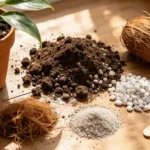
Drainage might be the unsung real hero in all plant care. Without proper drainage holes and loose medium, water pools around roots no matter how carefully you measure each watering session. Lingering surface sogginess, yellow lower leaves, soft dark smelly roots are all clear warnings. The fix stays straightforward. Pots must have drainage openings. Perlite or coarse sand mixed evenly into soil loosens dense texture. Avoid heavy, compacted cheap planting mixes. Size the container correctly too, because oversized pots hold excess moisture far longer than roots can consume. A beautiful decorative outer pot means nothing if the root zone inside stays perpetually unhealthy.
You do not need expensive branded soil bags to upgrade your growing medium. Homemade compost works wonders on a tight budget. It feeds plants naturally, improves soil structure, holds water in balanced amounts and sustains helpful microscopic microbes underground. Leaf mold and coconut coir bring similar benefits and loosen heavy clay-like soil nicely. Still, reuse old soil cautiously. Dirt taken from previously failing plants carries hidden risks; leftover pest eggs or lingering fungal disease can hide inside, so mix in fresh material or discard heavily contaminated batches entirely.
Repot only when the current setup shows clear strain. Roots crowding out drainage holes, water rushing straight through soil without absorbing, or growth that stalls completely for months are reliable cues. When repotting, move up just one pot size only. Fill with fresh mix suited to the plant’s needs, gently loosen tangled root balls, then water lightly afterward. Jumping straight into a much larger pot leaves vast pockets of unused soil. This extra space stays wet longer and invites rot and disease.
Seasons constantly shift plant water requirements. Active growth in spring and summer pulls more water because internal energy use spikes. Cooler autumn and winter months slow metabolism down, so moisture needs drop sharply. Indoor heaters, air conditioners and shifting household humidity add extra variables. Always let the plant itself guide you more than any fixed watering timetable you find online.
A handful of repeated mistakes cause most plant losses. Giving every plant identical treatment tops the list, since a desert cactus and tropical foliage plant evolved in completely different natural environments. Watering too often keeps soil wet constantly and damages roots faster than most beginners realize. Poor drainage undermines even careful watering habits. Dense, cheap compacted soil blocks healthy root development. Many people also overlook how bright sunny windows dry out pots far quicker than dim shaded corners — this detail sneaks up on new growers time and time again.
Building a light, flexible routine keeps plant care sustainable long term. Once a week, check how the soil feels, inspect leaves for discoloration or pests, clear dead foliage and confirm water can flow freely through the pot. Monthly tasks might include a mild nutrient boost if growth lags, scrubbing containers to remove mineral buildup, or shifting plant positions to chase better seasonal light. Steady small check-ins count more than any overcomplicated gardening system.
Soil conditions gradually change over months and plants will show the impact. Hard packed earth cuts off airflow to roots. Drainage that slows dramatically means soil structure has broken down. Lackluster, pale growth often signals depleted nutrients. Carefully loosening the top soil layer, mixing in drainage material or working fresh compost into the medium usually turns conditions around. Cultivating healthy soil really is a long game that rewards patience and consistent observation.
The basic principles deliver the biggest returns for plant caretakers. Learn the right time to water, match soil composition to each plant, keep drainage functioning and watch foliage responses closely. Every variety differs slightly in preference, but the core ideas stay reliable year-round. Enough moisture without full saturation. Constant room for roots to breathe. Soil that supports growth instead of hindering it. Small adjustments as light, temperature and seasons shift around them.
Once those core pieces click into place, a lot of common plant failures become entirely preventable. Stronger, deeper root systems develop over time. Leaves look vibrant and steady. The whole plant lasts longer, and that quiet progress feels pretty satisfying when you step back to notice it.