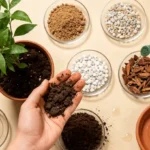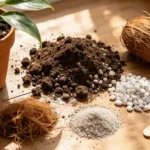
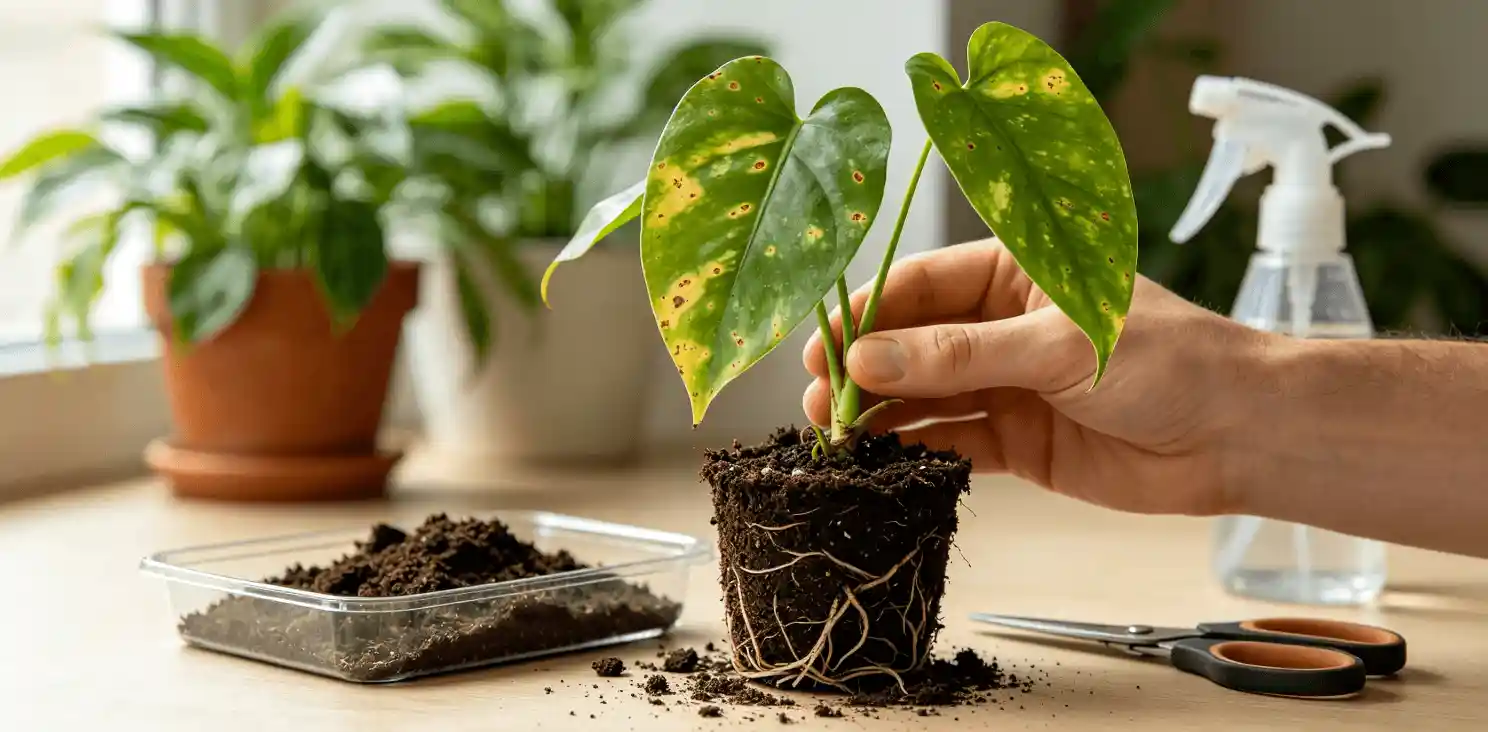
That mushy, earthy stench rising from the plant pot always signals trouble first. Root rot caught me completely off guard many years ago. I left one of my houseplants trapped in continuously saturated soil for far too long, and I helplessly watched its stems turn soft and limp as its leaves faded to yellow one after another. After that painful lesson, I understood the root of most plant disasters: many gardeners water on a rigid routine out of habit rather than stopping to feel and assess the soil. Very often, the whole problem boils down to poor drainage or pots lacking drainage holes entirely, trapping stagnant water around delicate root systems.
When your houseplant starts struggling, work through diagnostics methodically, checking one factor at a time instead of overhauling everything instantly. Begin with soil moisture: feel whether the medium is waterlogged and overly wet, or completely bone dry. Next, evaluate light conditions. Countless indoor plants become stretched and uneven if positioned too far from natural light sources, or receive sunlight from only a single direction. After light, carefully inspect both leaves and stems. Keep an eye out for discoloured spots, damaged foliage, or tiny pests hiding underneath the leaves and along stem joints. If none of these factors explain the decline, it may be time to examine the roots. After you make one targeted adjustment, pause and observe. Plants require multiple weeks to display signs of recovery, so patience is absolutely critical throughout the healing process.
Leggy growth is one of the most obvious visual warning signs and quickly ruins a plant’s shape. Long, bare stems spaced far apart between leaves clearly communicate insufficient light. There are simple fixes you can implement straight away. Shift the plant closer to a brighter window with gentle indirect sunlight. Rotate the pot regularly to ensure every side receives even illumination. You can also trim back overstretched stems to encourage fresh, bushier new growth. Most varieties will thicken up beautifully once their lighting needs are met, and new foliage emerges steadily over time.
Even indoors, isolated warm, still spaces invite unwanted pests, no matter how clean your home is. Spider mites leave faint speckled markings across leaves paired with ultra-fine silky webbing; affected foliage gradually dries out and loses its vibrancy. Fungus gnats hover in small swarms above persistently damp soil rich with decaying organic debris. Aphids, mealybugs and scale cling tightly to stems and leaf undersides, leaving sticky sugary residue that attracts further issues. Start treatment gently: rinse the foliage thoroughly under lukewarm water to wash away bugs and residue. Allow the soil extra time to dry out fully between watering sessions to break pest breeding cycles. Manually remove any visible insects, then follow up with mild, plant-safe treatments to clear remaining infestations.
White powdery coating or scattered pale spots on leaves puzzle many new plant parents, and there are two common causes to distinguish. The first possibility is powdery mildew, triggered by stagnant air and foliage that stays damp for hours after watering. To combat mildew, improve airflow around your collection and prune heavily damaged leaves to stop the spread. The second harmless cause is mineral deposits left behind by hard tap water evaporating on leaf surfaces. These deposits require no harsh treatment; simply wipe leaves gently with a damp soft cloth to clear away the pale residue.
Yellowing foliage, crispy brown leaf tips, stunted slow growth and unexplained wilting are all clear signals your plant sends to communicate discomfort. Over time, I have learned that the most valuable skill any plant parent can develop is interpreting these warning signs calmly. Avoid panicking and rearranging every variable all at once, which creates extra stress for already vulnerable plants. Reliable watering habits, suitable lighting and consistent quiet observation will solve the vast majority of common plant struggles. I accidentally killed numerous houseplants before these patterns finally made sense to me. Once I learned to interpret plant cues instead of guessing care routines, nurturing greenery felt far less overwhelming. There is something uniquely rewarding about watching a fading plant slowly recover, perk up and push out healthy new leaves once its needs are finally met.