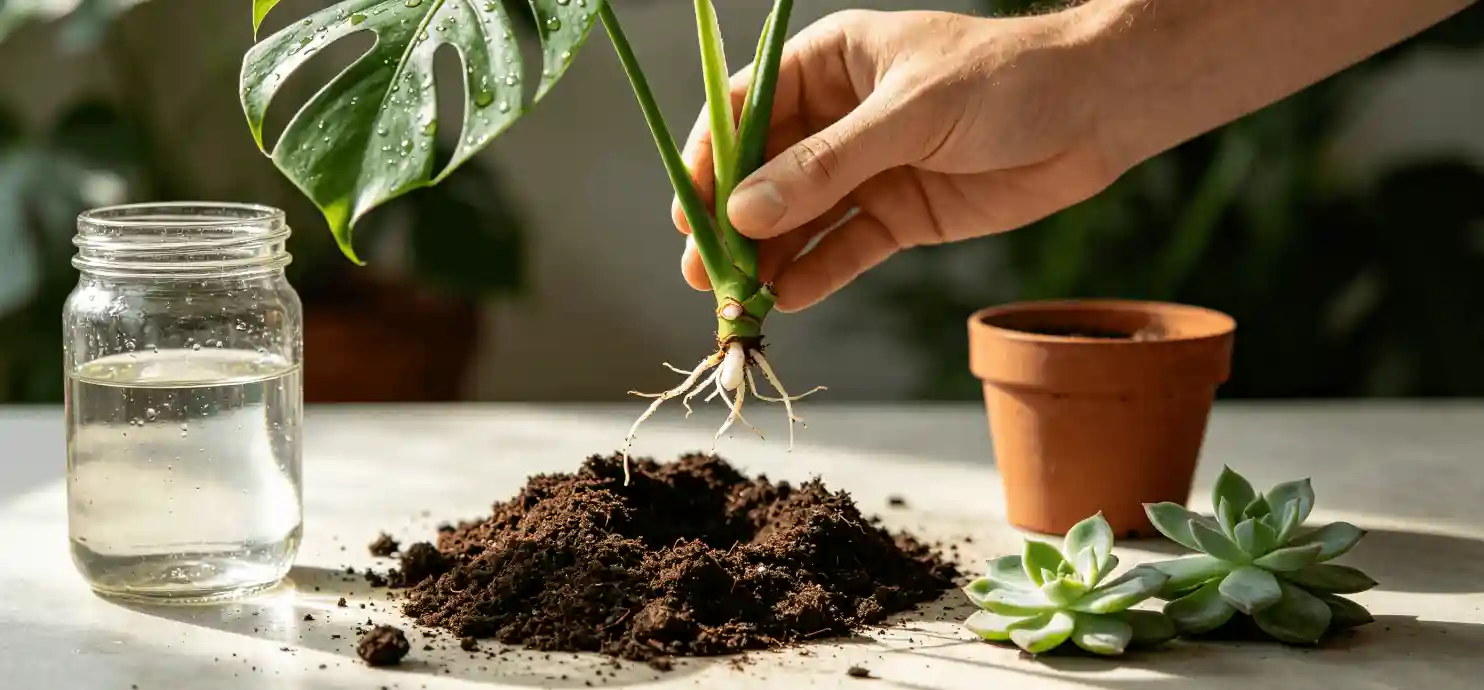
Last winter a stray monstera stem sat in a glass jar on my kitchen counter. Within just a few weeks, delicate white roots tangled and filled the container far faster than I had expected. That single cutting sparked a small propagation hobby, and now I have young plant starts spread across shelves and windowsills all around my home.
The way I see it, one thriving houseplant can multiply into an entire collection with barely any extra cost or complicated supplies. From what I have observed, many plant parents dive into propagation to cut down on frequent trips to garden nurseries. You wind up with plenty of extra young plants to gift to friends, or you can rescue a struggling mature plant by harvesting its healthy stems to grow fresh replacements. A single pothos vine, after several rounds of cuttings, can generate enough new growth to fill an entire shelf. Beyond gaining more greenery, propagation completely shifts how you observe plant growth. Suddenly you begin actively searching for nodes, tracking humidity and moisture levels with intention. Simple daily watering evolves from a routine chore into genuine understanding of what your plants need to survive.
What many beginners overlook is that plants already carry the natural ability to replicate themselves through stems, leaves, root clumps or seeds. Gardeners simply learn to work alongside these built-in biological mechanisms. Growing from seeds creates genetic variation, which works wonderfully for outdoor vegetables and garden beds, yet seed cultivation demands extra time, space and careful environmental setup. The vast majority of common apartment houseplants are far easier to multiply through asexual propagation. New plants grow as exact clones matching the parent specimen. Best of all, this method does not require expensive grow lights, specialized lab-grade potting medium or complicated equipment.
I usually start with stem cuttings, simply because this method produces roots quickly for most popular tropical houseplants such as philodendron and tradescantia. Select a sturdy, healthy length of vine free from brown spots or pests. Make a clean cut directly beneath a node, the small bump where leaves emerge from the stem. Strip away any foliage that would sit below the water or soil line to avoid rot. After preparing your cutting, you have two straightforward paths. Some growers place cuttings straight into room-temperature water, while others bury them immediately in loose, well-draining growing mix. Gentle warmth and soft indirect sunlight accelerate root development significantly. You observe patiently day after day, and spotting those first thin white root threads always feels like a meaningful victory.
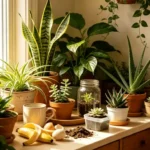
Water propagation remains my top recommendation for complete newcomers. Every stage of development is fully visible, leaving no room for guesswork. All you need is a clean glass jar; submerge the stem’s base while keeping all leaves safely above the water surface. Remember to refresh the water regularly, otherwise murky conditions encourage algae buildup around new roots. Intense direct sunlight harms vulnerable cuttings at this fragile stage. Lined up along a windowsill, transparent jars holding developing cuttings resemble tiny live science displays, and the whole process can become surprisingly addictive.
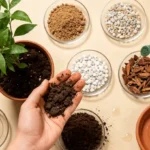
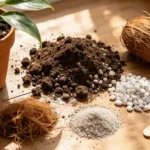
Soil propagation has plenty of loyal supporters too. Roots grow accustomed to their permanent growing medium right away, often developing thicker, sturdier systems compared to roots grown in water. Prepare a lightweight, porous potting blend and maintain consistent light dampness, never soggy mud. Bright indirect light creates ideal growing conditions. The obvious downside is you cannot view root growth beneath the soil surface to track progress. You must rely on fresh new leaf growth to confirm success. Above everything else, soil propagation demands patience.
Leaf cuttings open up another reliable route suited to specific plant varieties. Snake plants, many succulents and African violets can regenerate entirely from individual leaves when conditions align properly. Carefully twist or snip off a full, healthy leaf. For succulent leaves, leave the cut edge to air dry and form a slight callus first to prevent rot. Lay the leaf partially nestled on top of loose substrate, and wait. New roots and tiny plantlets slowly emerge over weeks, sometimes months. This method is slower than stem cuttings, yet it lets you multiply plants from minimal material for almost zero expense. I still feel excitement whenever miniature new shoots sprout from a single leaf.
Division lets you skip the slow cutting phase altogether. Take an overcrowded peace lily, fern or spider plant out of its pot. Identify separate natural clumps, each attached to its own established root network. Gently tease the root systems apart without tearing them, then repot each division into its own container. These separated plants bounce back rapidly, as they already possess fully formed roots and foliage. Division is perfect if you want mature-sized plants quickly instead of waiting months for cuttings to mature.
Choosing beginner-friendly species makes your propagation journey far less frustrating. Pothos tolerates nearly every propagation mistake. Spider plants naturally produce rooted offsets you can simply detach and pot immediately. Snake plants recover easily from slow-growing leaf cuttings. Most succulents root effortlessly, and mint spreads vigorously from simple stem cuttings. Start experimenting with these resilient varieties first, and confidence will grow alongside your new plant starts.
Even experienced plant growers run into setbacks. Snipping a stem segment that lacks a viable node means no new roots will ever form. Dull or unsterilized scissors introduce bacteria that trigger rot. Excess moisture suffocates fragile new growth. Overly harsh sunlight stresses cuttings, while deep shade halts development entirely. Moving water-grown cuttings into soil prematurely often leads to transplant shock. More often than not, failure comes from rushing the timeline. Some species require months to develop strong roots. Propagation teaches you to slow down, observe and wait.
Freshly rooted young plants need gentle ongoing care. Bright, filtered indirect light keeps them thriving. Maintain steady moisture but avoid perpetually wet soil that causes rot. Hold off on concentrated fertilizer until new growth appears, since delicate young roots are highly sensitive to nutrients. A small amount of stress during the transition from water to soil is completely normal. With consistent, mild care, these small starts mature into full, lush houseplants before you know it.
You do not need an elaborate setup to create your own propagation station. All essential supplies include sharp sanitised scissors, spare glass jars, small nursery pots, well-draining potting mix and simple labels to keep track of varieties and start dates. A single shelf positioned near soft natural light works perfectly as your dedicated workspace. Labelling and organising cuttings prevents confusion and helps you track how long each specimen takes to root.
Propagation ultimately lets you expand your plant collection without constant spending. Basic stem snips, water jar setups, leaf cuttings and root division allow anyone to grow their own supply of houseplants. The process rewards careful observation and a steady, patient approach. Witnessing the very first roots extend outward builds a deeper understanding of how plants grow and regenerate. Whether your living space can accommodate dozens of specimens or only a few pots along the windowsill, you can build an ever-expanding living collection. All it takes is one healthy plant cutting at a time. It truly is a wonderful hobby, if you ask me.